Rail Break / Defect Detection
Immediate detection of rail breaks within 5 m accuracy
Monitoring solution
Distributed acoustic and strain sensing for railway, roadway, metro, and tunnel infrastructure monitoring.
The engineering question
Railway and roadway networks are the lifelines of modern transportation, operating under continuous dynamic loading from high-speed trains, heavy trucks, and extreme weather. Rail defects, track bed degradation, and tunnel structural fatigue develop progressively but can lead to catastrophic failures if not detected early. Current inspection methods — visual patrols and periodic track geometry cars — leave long gaps between inspections during which defects can propagate.
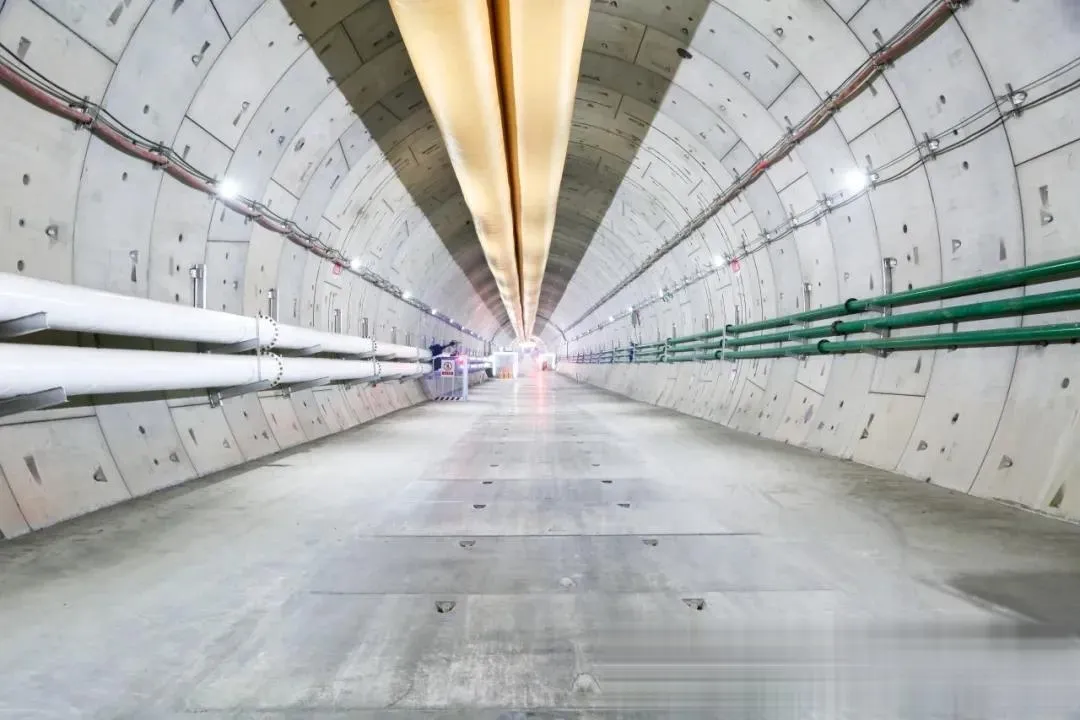
Road and tunnel infrastructure faces similar challenges: pavement degradation, joint failure, and structural deformation that compromise safety and increase maintenance costs. The transportation sector needs a continuous, automated monitoring solution that provides real-time condition data across hundreds of kilometers, enabling predictive maintenance and preventing service disruptions.
Monitoring boundary
Immediate detection of rail breaks within 5 m accuracy
Continuous longitudinal profile with sub-mm precision
Acoustic signature analysis for rolling stock health
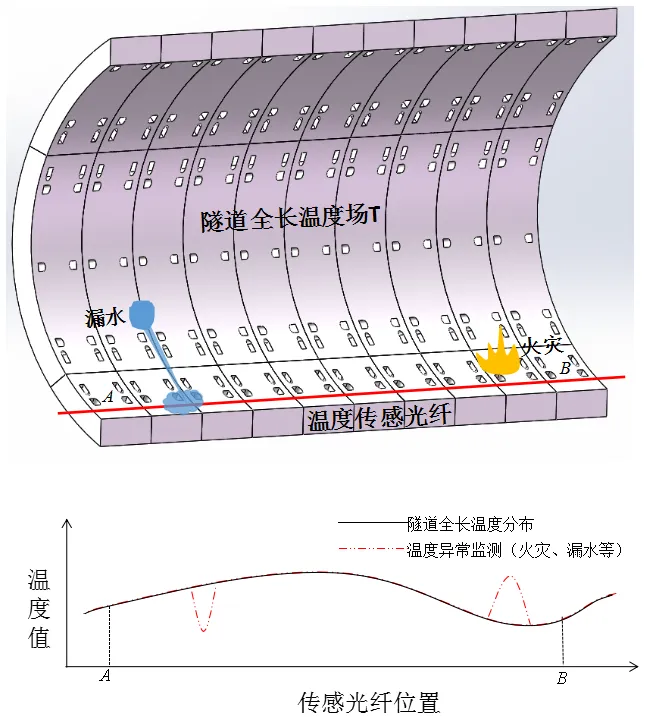
Distributed strain monitoring along tunnel lining
Crack and joint displacement tracking
Real-time train tracking without trackside electronics
Sensing chain
Field placement
uwDAS sensing fiber attached to rail web along mainline tracks (up to 50 km per interrogator)
UW-FBG settlement monitoring arrays at track transition zones and bridge approaches
UW-FBG strain cables embedded in tunnel linings at 0.5 m intervals for continuous profiling
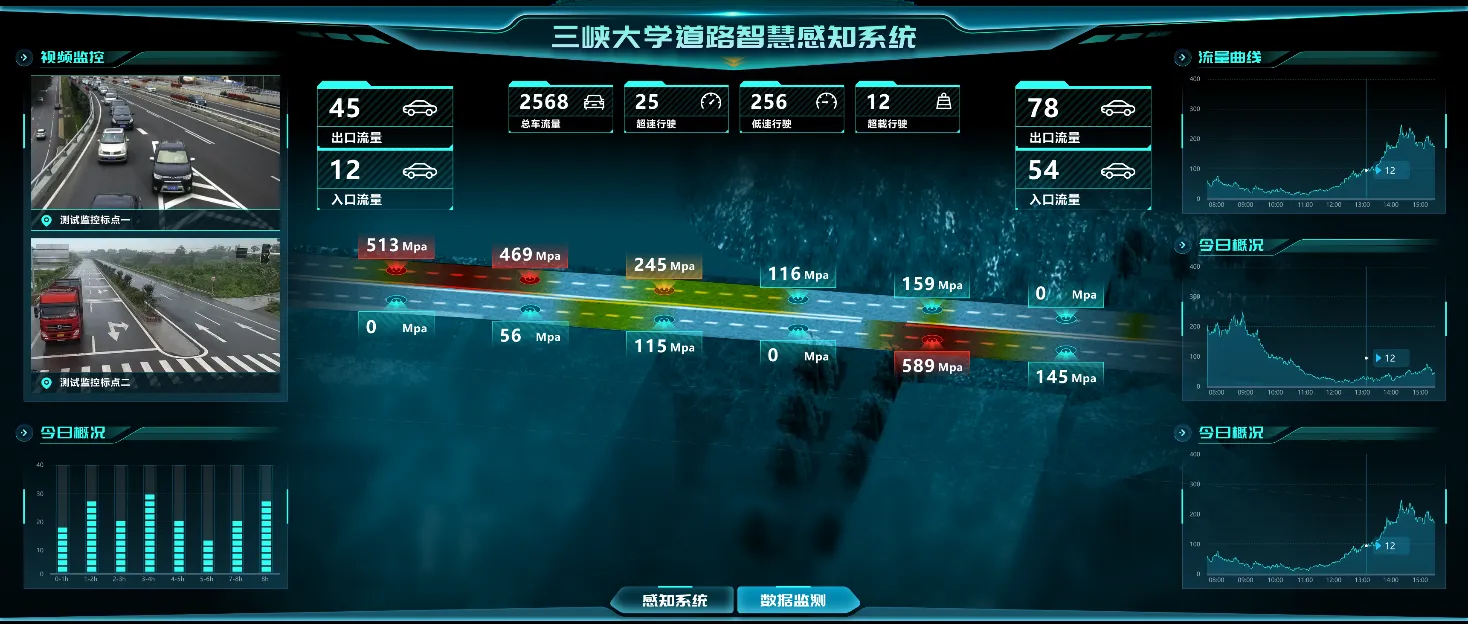
uwDAS fiber installed in roadway pavement for traffic monitoring and structural health
RS-DAS/DSS multi-channel interrogator housed in trackside or roadside equipment cabinets
Ray-Sensor platform with automated acoustic event classification and alert system
Integration with railway signaling and traffic management systems for coordinated response
Engineering record
Field evidence
Define the monitoring boundary
These inputs determine the sensing layout more reliably than choosing an instrument first.