
 01
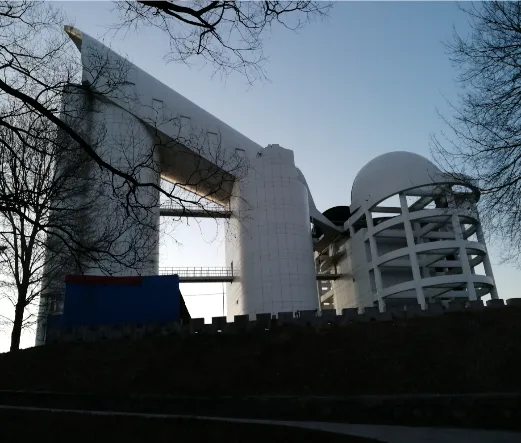
01Thermal measurement
Telescope Temperature Field
Distributed temperature measurements are referenced to the telescope structure and its thermal boundary conditions.
- Temperature field
- Structural reference
Applications & case studies
These references show how custom fiber sensing layouts are built around calibration, boundary conditions and the quantity an experiment is intended to recover.
How to read the cases
The relevant question is whether the chosen optical response and sensor placement can recover the physical quantity of interest under known boundary conditions.
Field references
01Thermal measurement
Distributed temperature measurements are referenced to the telescope structure and its thermal boundary conditions.
 02
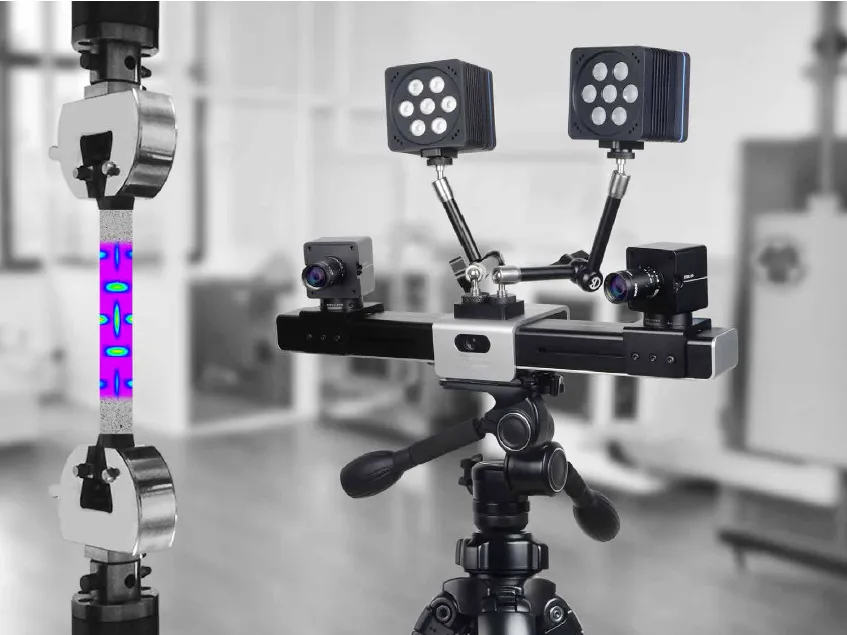
02Model-based reconstruction
Measured strain is combined with structural assumptions to reconstruct deformation beyond the individual sensing points.
Evidence example
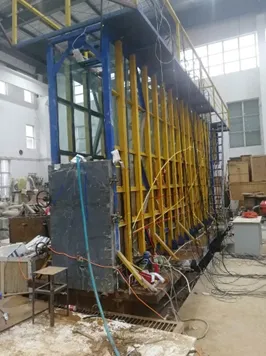
In research systems, sensor density alone does not guarantee useful information. Calibration, placement and model assumptions determine whether the measured optical change answers the experimental question.
Related monitoring approach
The research solution connects the experimental question to transduction, array geometry, interrogation and validation.
Discuss a monitoring requirement
These inputs are enough to begin defining a defensible sensing architecture.