
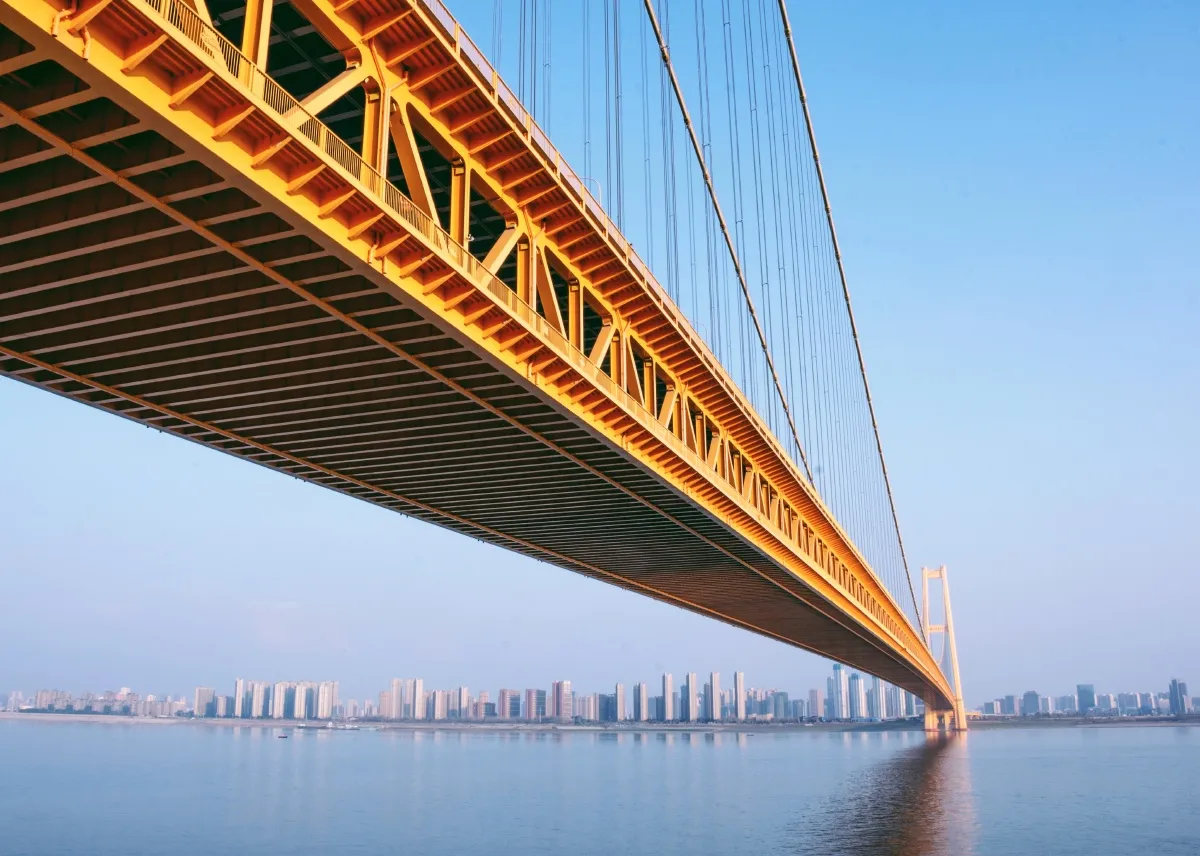
 01
01
Civil infrastructure
Bridges & Civil Infrastructure
Field installations that follow strain, deformation, temperature and dynamic response across bridges and large structures.
- Cable-stayed bridges
- Steel box girders
- Large-span structures
Applications & case studies
Real structures, installation constraints and measurement objectives show how a sensing architecture behaves beyond the laboratory.
Browse field evidence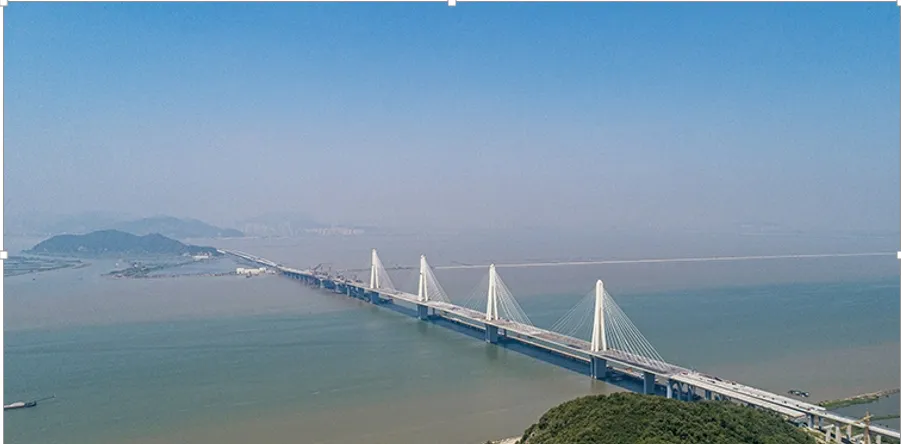
How to use this section
Field deployments
Each group connects real deployment contexts with the monitoring architecture used to address them.
01
Civil infrastructure
Field installations that follow strain, deformation, temperature and dynamic response across bridges and large structures.
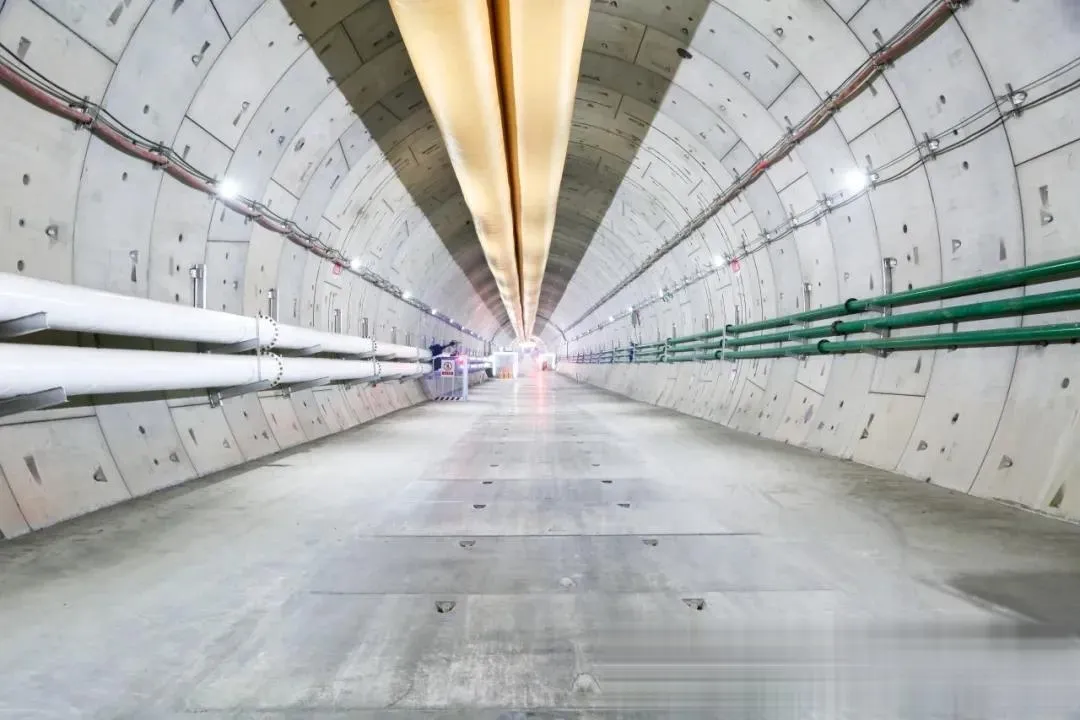 02
02
Underground assets
References from tunnels, excavations and underground structures where settlement and load transfer must be understood in context.
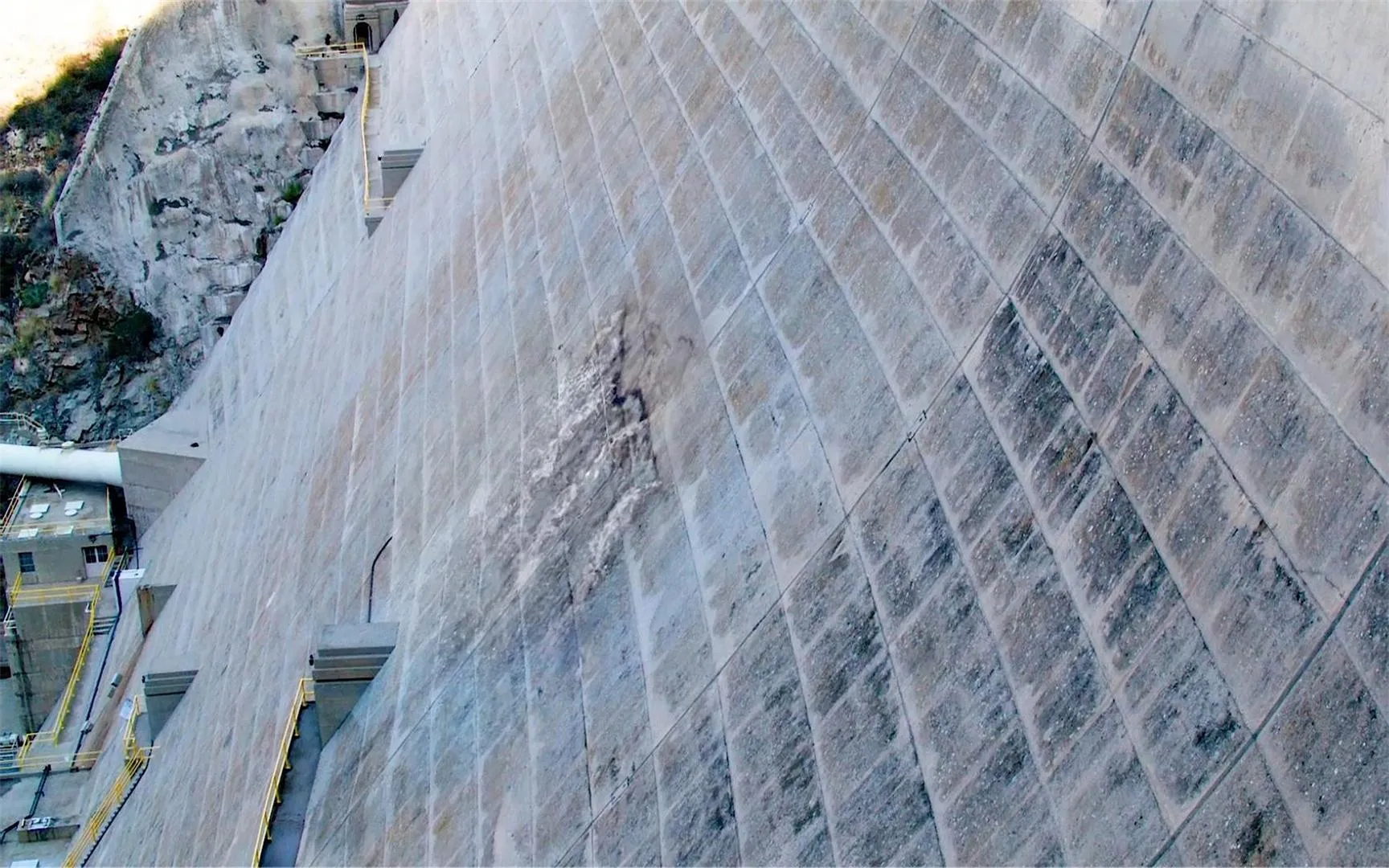 03
03
Geotechnical monitoring
Long-term observations of deformation, seepage-related response and localized structural change in hydraulic and geotechnical assets.
 04
04
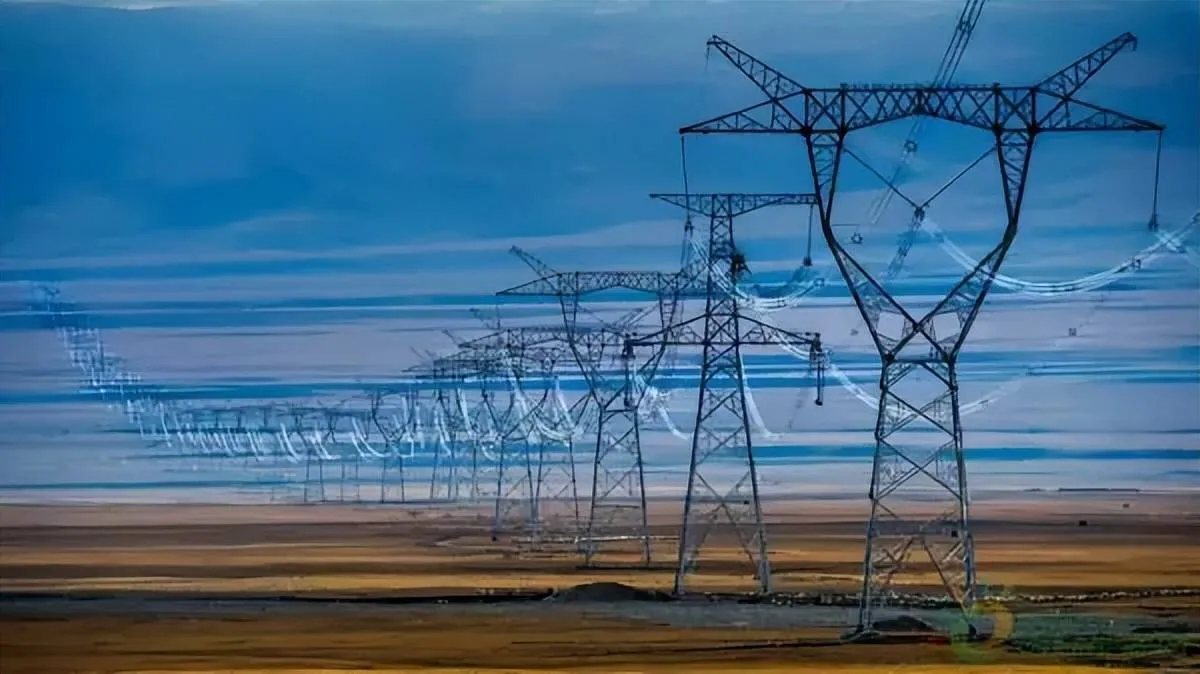
Energy infrastructure
Deployments along power cables, pipelines and energy assets where spatial temperature and disturbance data support operating decisions.
 05
05
Industrial operations
Applications that relate vibration, acoustic and thermal behavior to machinery condition and controlled manufacturing processes.
06
Moving-load environments
Field work involving dynamic strain, vibration and temperature as vehicles and events move through a transport asset.
 07
07
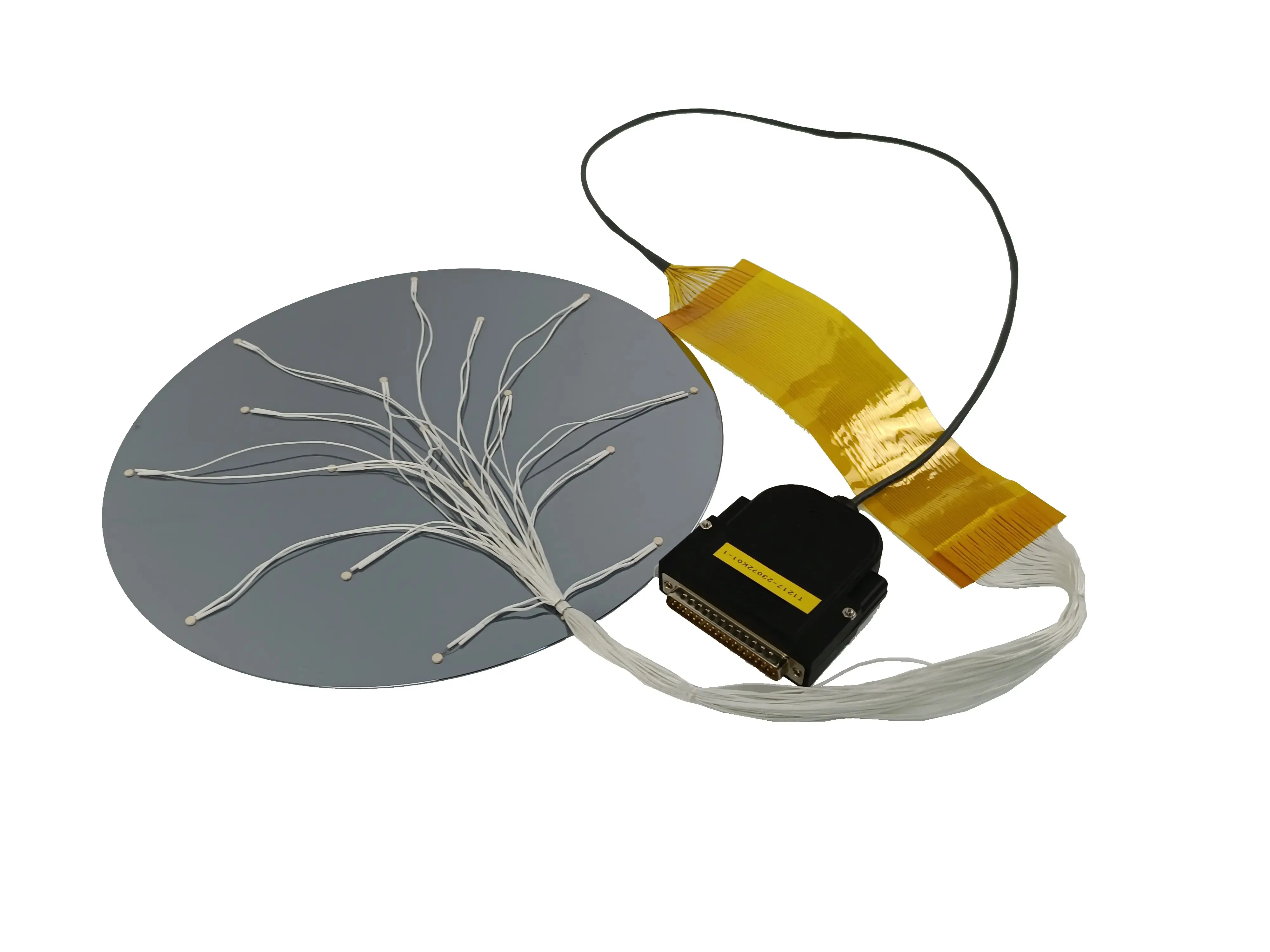
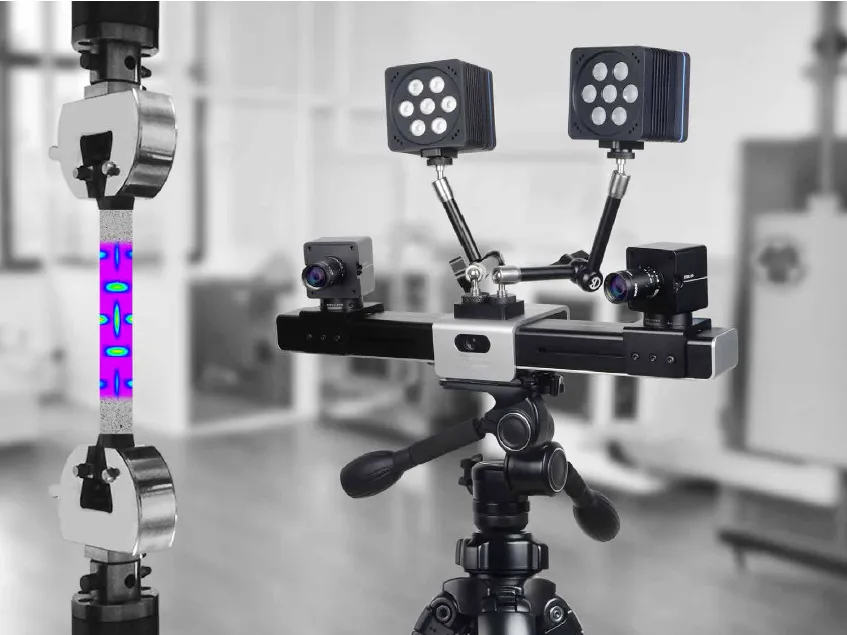
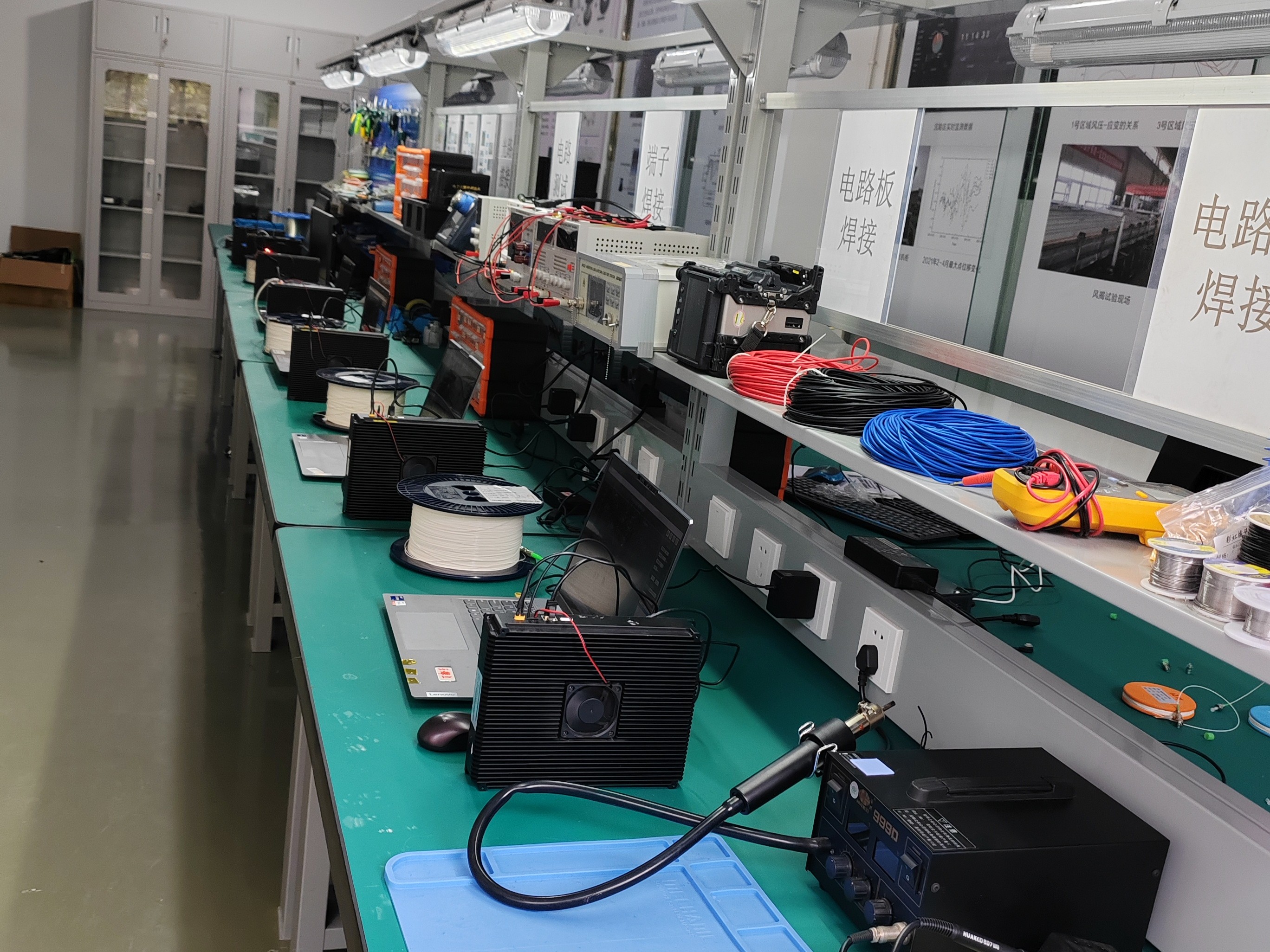
Research and integration
Experimental configurations developed around a specific material, structure or measurement objective rather than a fixed commercial architecture.
Evidence before claims
For each deployment, the important evidence is the installation context, the measured quantity, the spatial coverage, the interrogation method and the resulting data—not a generic claim that the project was successful.
Discuss a monitoring requirement
Those three inputs are enough to begin evaluating a practical fiber-optic sensing architecture.