
 01
01Retaining-system response
Shanghai Metro Deep Excavation
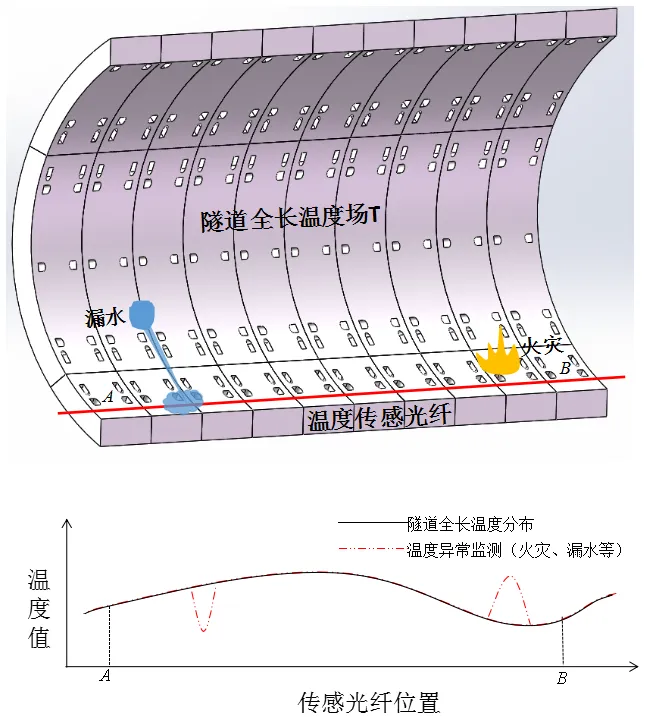
Measurements along the excavation boundary preserve how structural response changes with depth and construction sequence.
- Deep excavation
- Stage-by-stage response
Applications & case studies
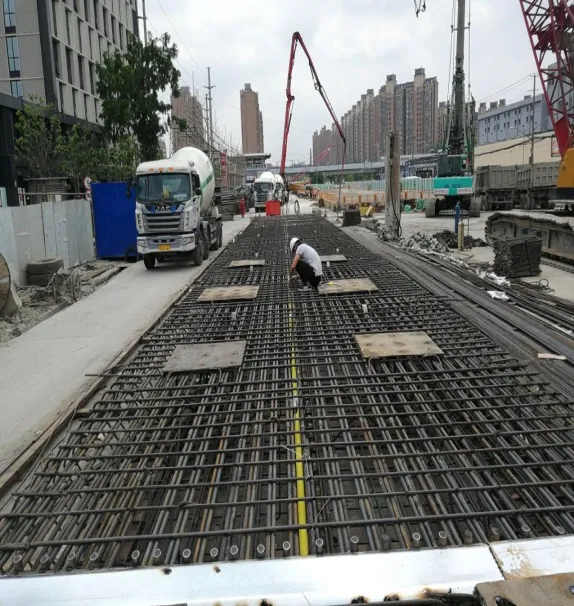
These references show where sensing lines were placed in excavations, tunnel structures and pile foundations, and how depth-wise data supported engineering interpretation.
How to read the cases
Retaining walls, tunnel linings and foundations respond differently as excavation or loading progresses. A useful case therefore records both sensor position and the stage at which the response occurred.
Field references
01Retaining-system response
Measurements along the excavation boundary preserve how structural response changes with depth and construction sequence.
 02
02Foundation load transfer
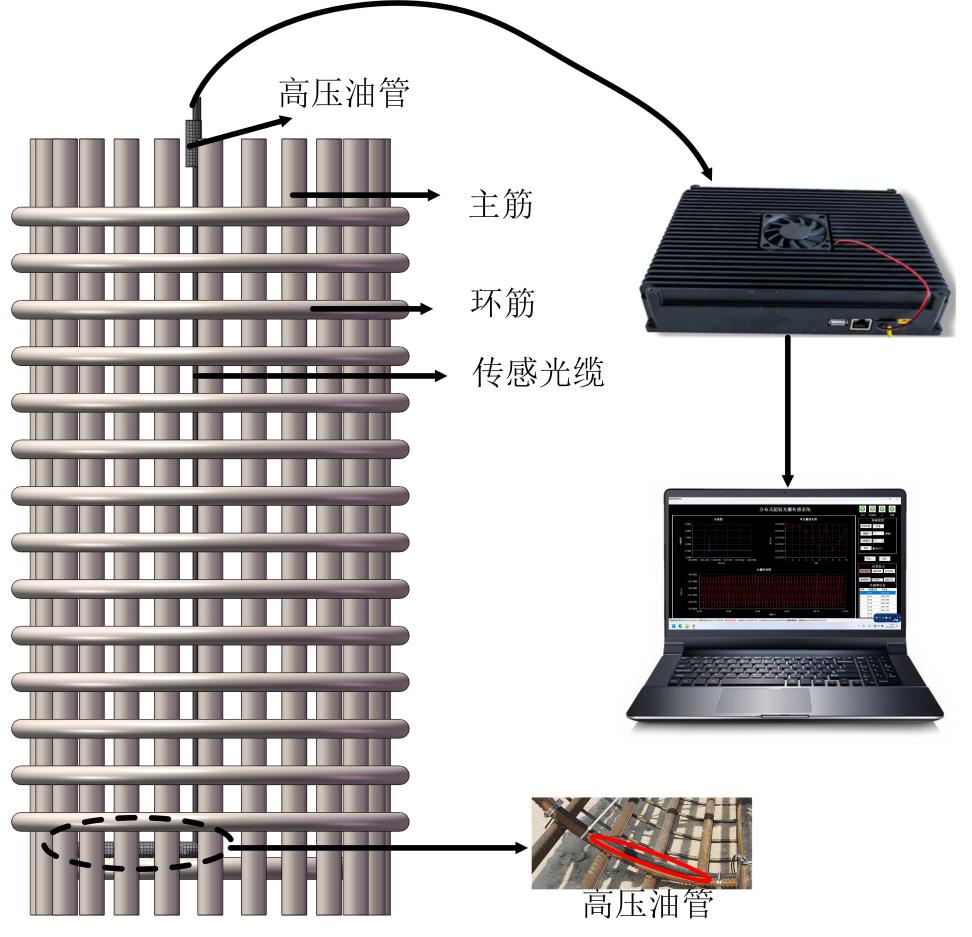
Distributed strain along the pile shaft reveals how axial load and bending are transferred into the surrounding layers.
Evidence example
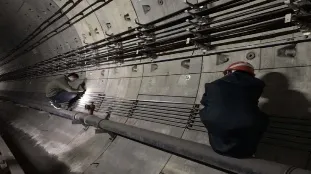
In deep excavations, the location of the response is as important as its magnitude. A distributed profile helps relate deformation to bracing levels, excavation stages and the geometry of the retaining system.
Related monitoring approach
The underground monitoring solution connects excavation geometry and construction sequence to sensor placement, coverage and interpretation.
Discuss a monitoring requirement
These inputs establish the monitoring boundary before instruments are selected.