
 01
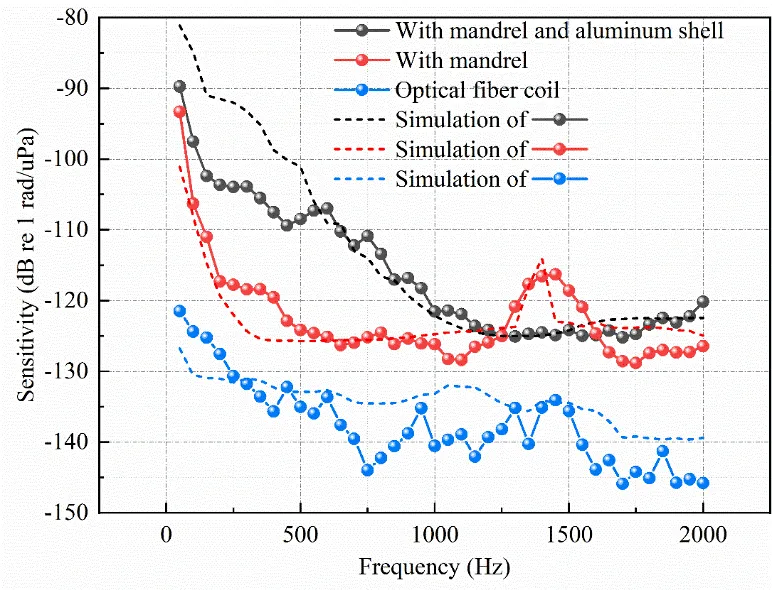
01Dynamic fault signature
Equipment Fault Acoustic Diagnosis
Acoustic records are compared with known equipment states so changes in frequency and amplitude retain mechanical meaning.
- Acoustic signature
- State comparison
Applications & case studies
These cases show how acoustic, vibration and strain measurements relate to equipment geometry, operating state and the position of a developing fault.
How to read the cases
Dynamic signals change with speed, load, mounting and background noise. Useful evidence therefore links the waveform to a known machine state and a defined sensing location.
Field references
01Dynamic fault signature
Acoustic records are compared with known equipment states so changes in frequency and amplitude retain mechanical meaning.
 02
02Large-area structure
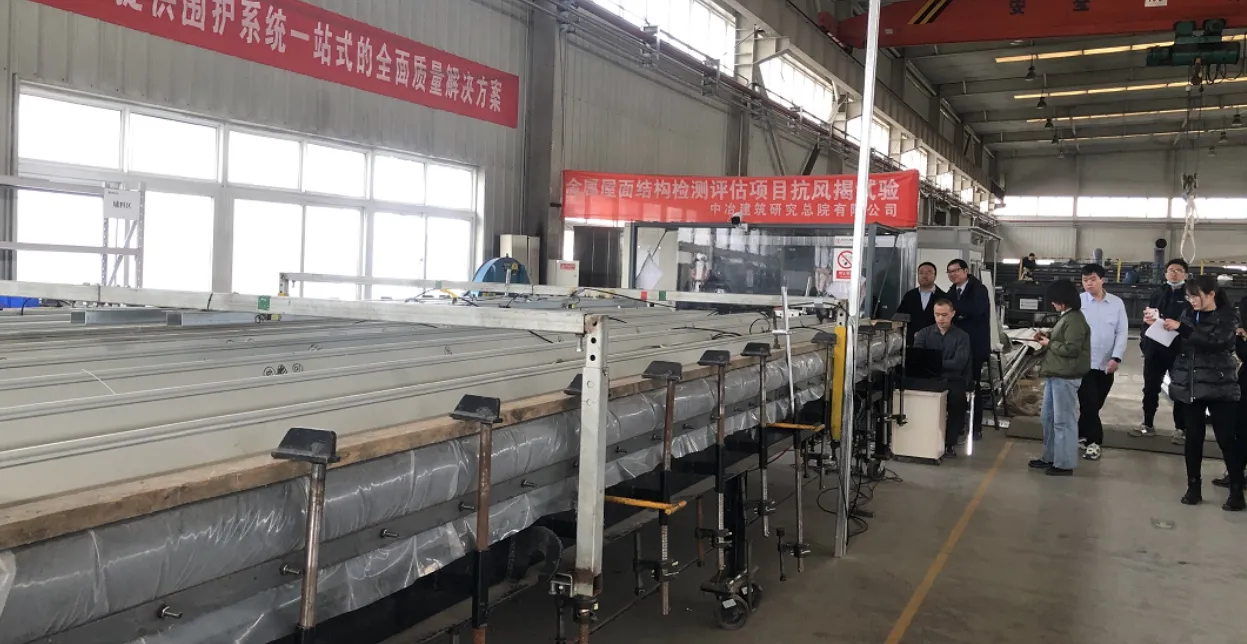
Distributed measurements follow the roof structure and reveal how response varies across a broad surface.
 03
03Continuous equipment line
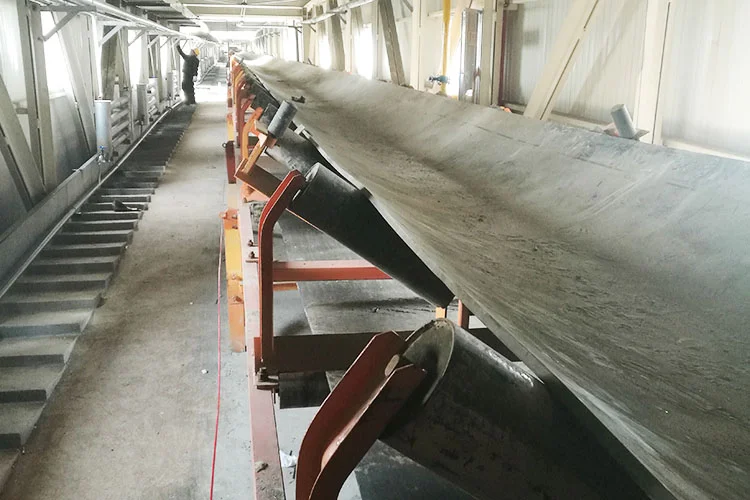
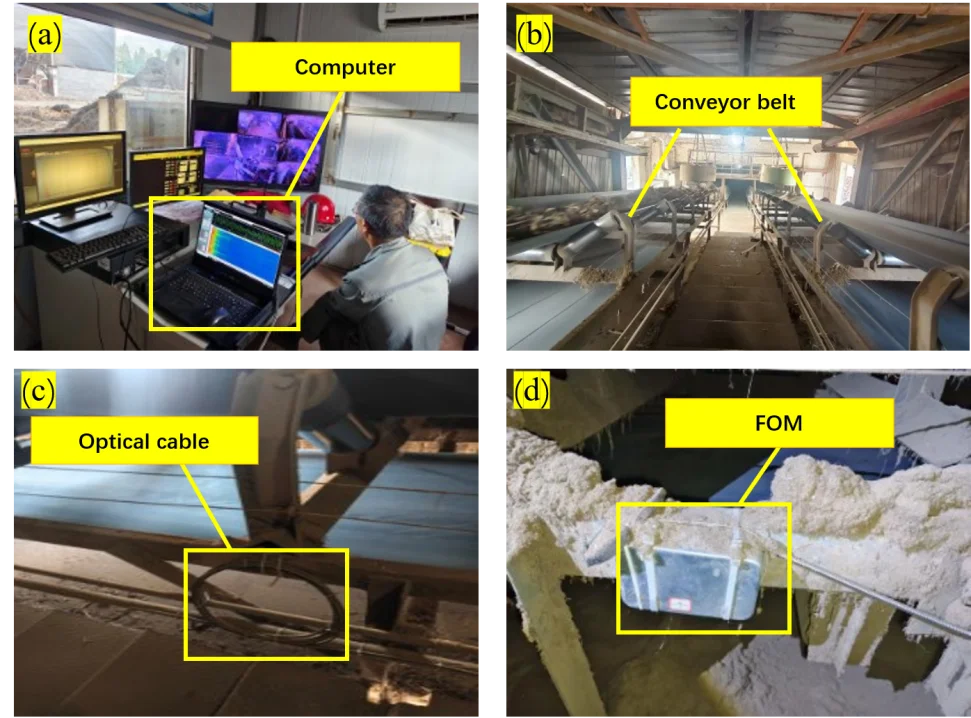
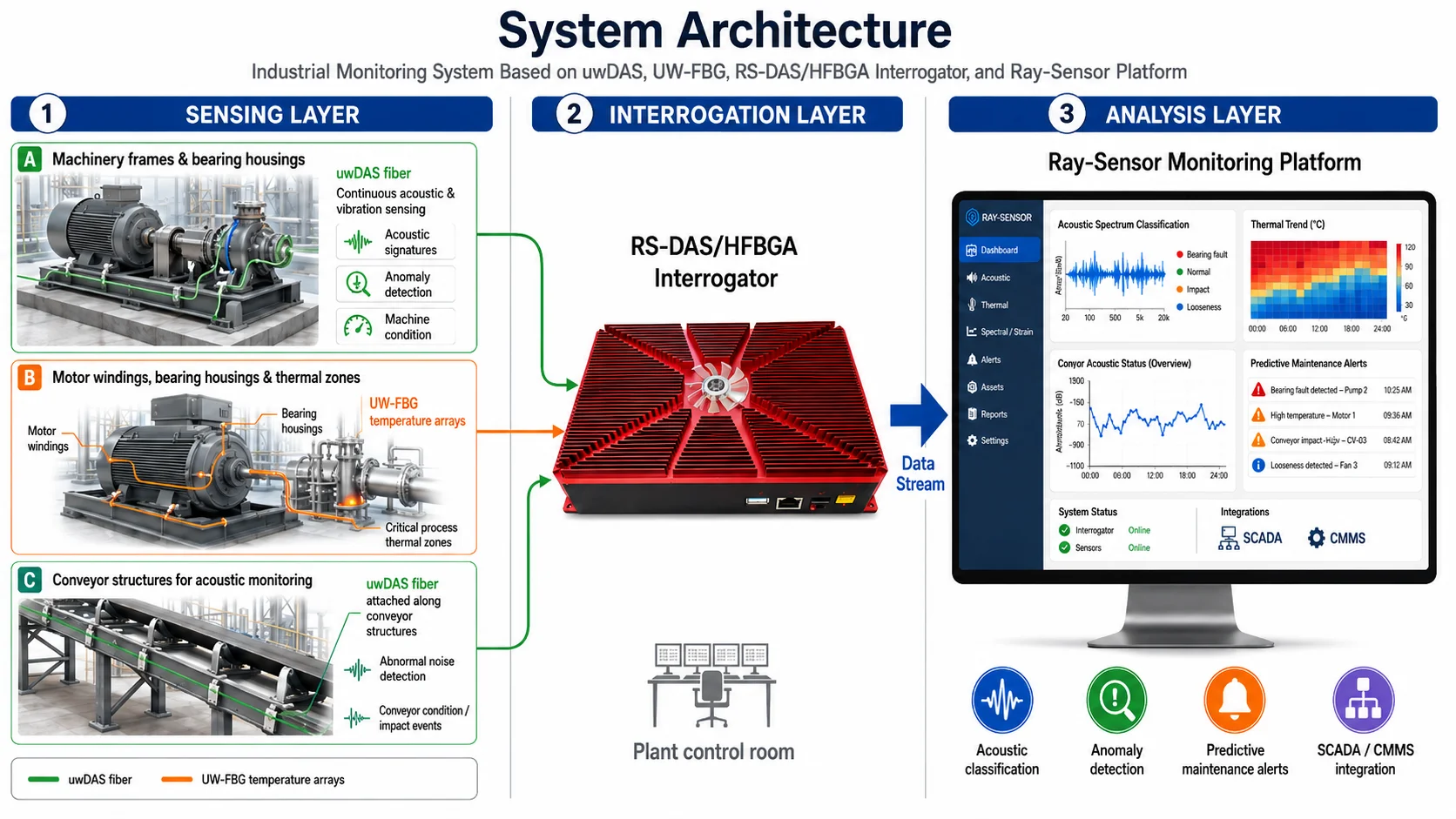
A sensing cable along the conveyor preserves both the dynamic signal and the location of a developing roller fault.
Evidence example
For long industrial equipment, detecting vibration is only the first step. The measurement becomes actionable when the event is tied to a position, operating state and repeatable signal feature.
Related monitoring approach
The industrial solution connects equipment geometry and operating state to cable coupling, acquisition rate and event interpretation.
Discuss a monitoring requirement
These inputs establish what should be sensed and where the signal should be referenced.