Optical Interactions in Fiber Sensing
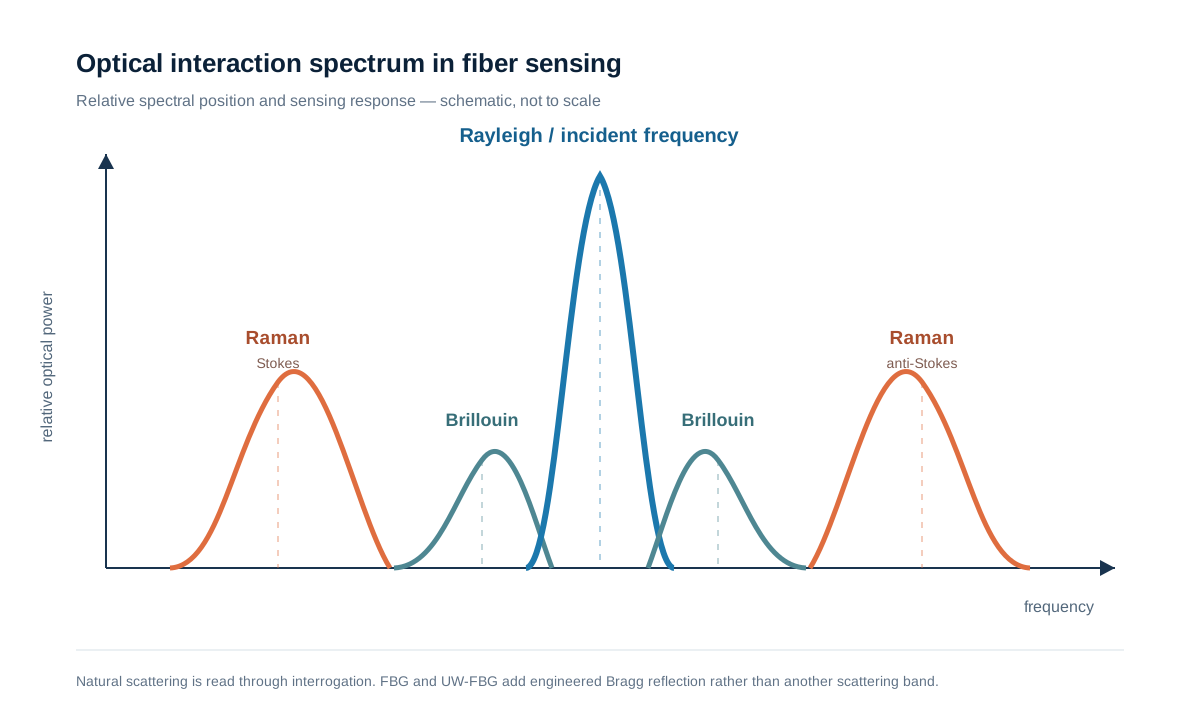
See how Rayleigh, Raman and Brillouin scattering differ from the controlled Bragg reflection created by FBG and UW-FBG structures—and why these physical effects can support multiple sensing routes.
Learn moreFrom wavelength-based sensing fundamentals to ultra-weak FBG arrays and high-density signal interrogation,this technology stack explains how optical signals are translated into precise, scalable, and reliable physical measurements.
Where to sense? What optical effect to use? How to interrogate it? What physical quantity to recover? Where to apply the result?
Five practical questions turn a crowded field of acronyms into a technology route you can understand.
Explore the complete atlasSee how Rayleigh, Raman and Brillouin scattering differ from the controlled Bragg reflection created by FBG and UW-FBG structures—and why these physical effects can support multiple sensing routes.
Learn moreLearn how light is guided inside optical fiber and how Fiber Bragg Gratings selectively reflect specific wavelengths. This fundamental principle forms the basis of high-precision optical sensing.
Learn more
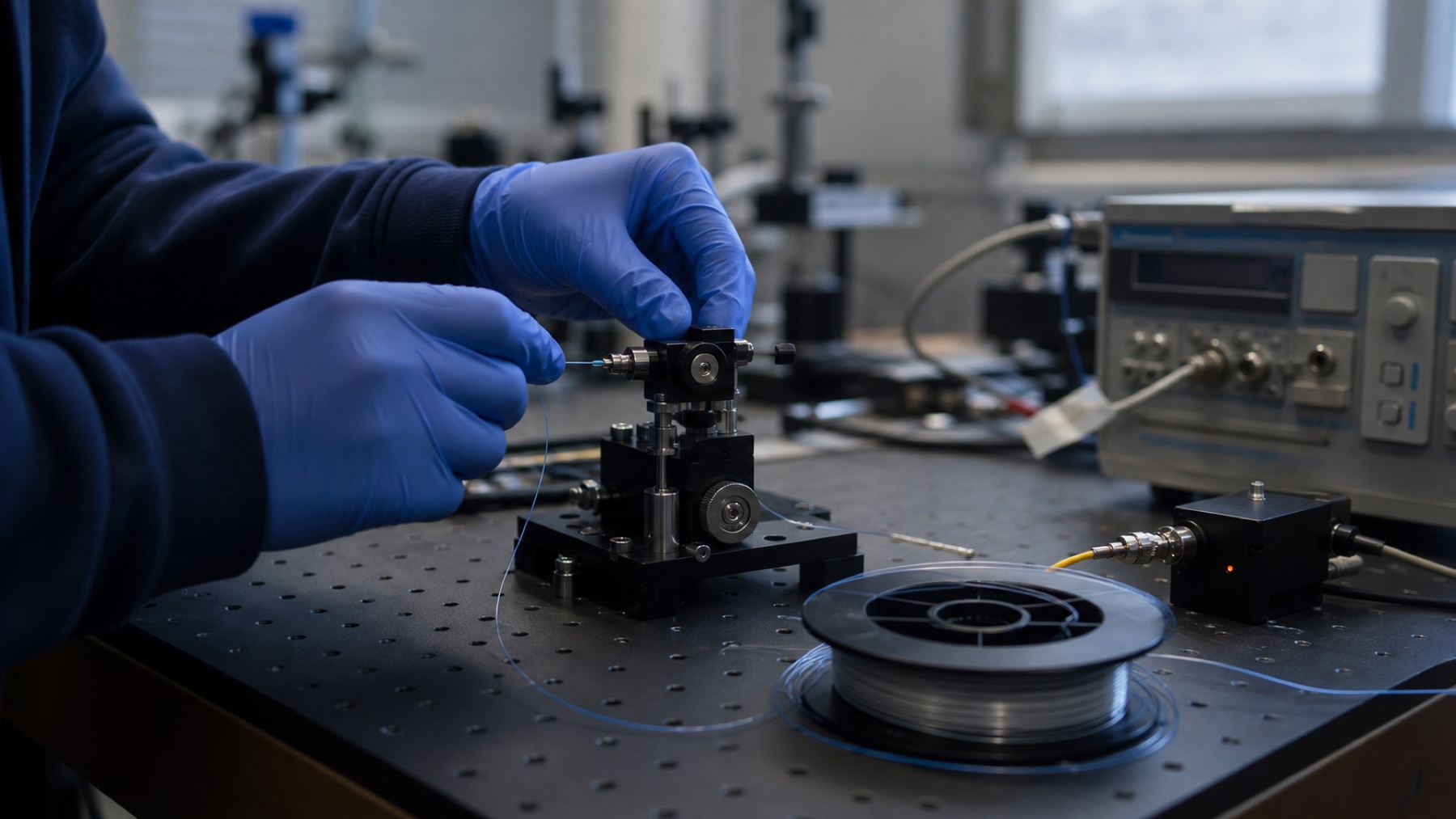
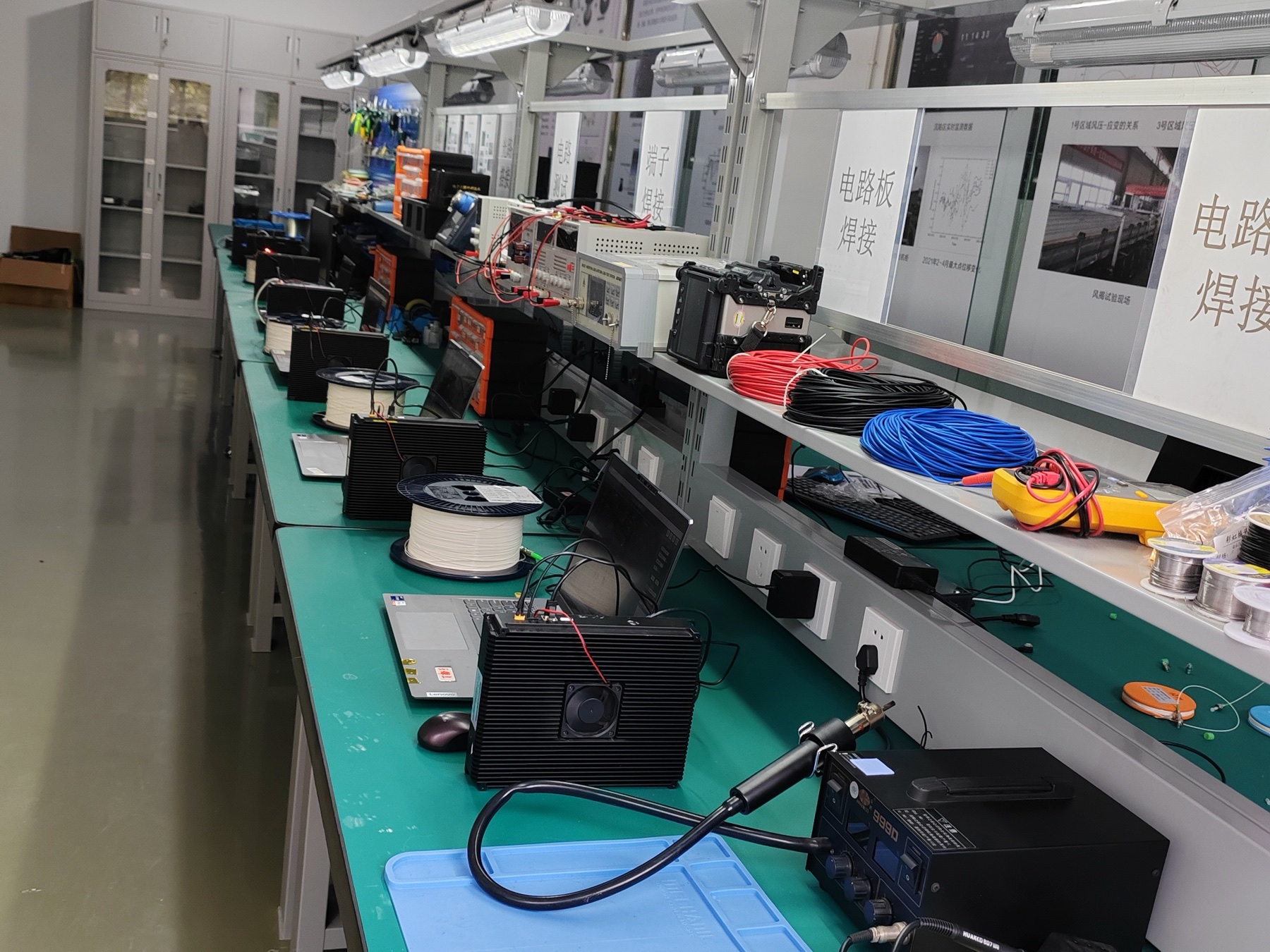
Illustrative lab setupUnderstand how four enabling advances — fabrication, interrogation, signal processing, and cable engineering — converged to turn conventional FBG point sensing into scalable UW-FBG distributed sensing.
Learn more
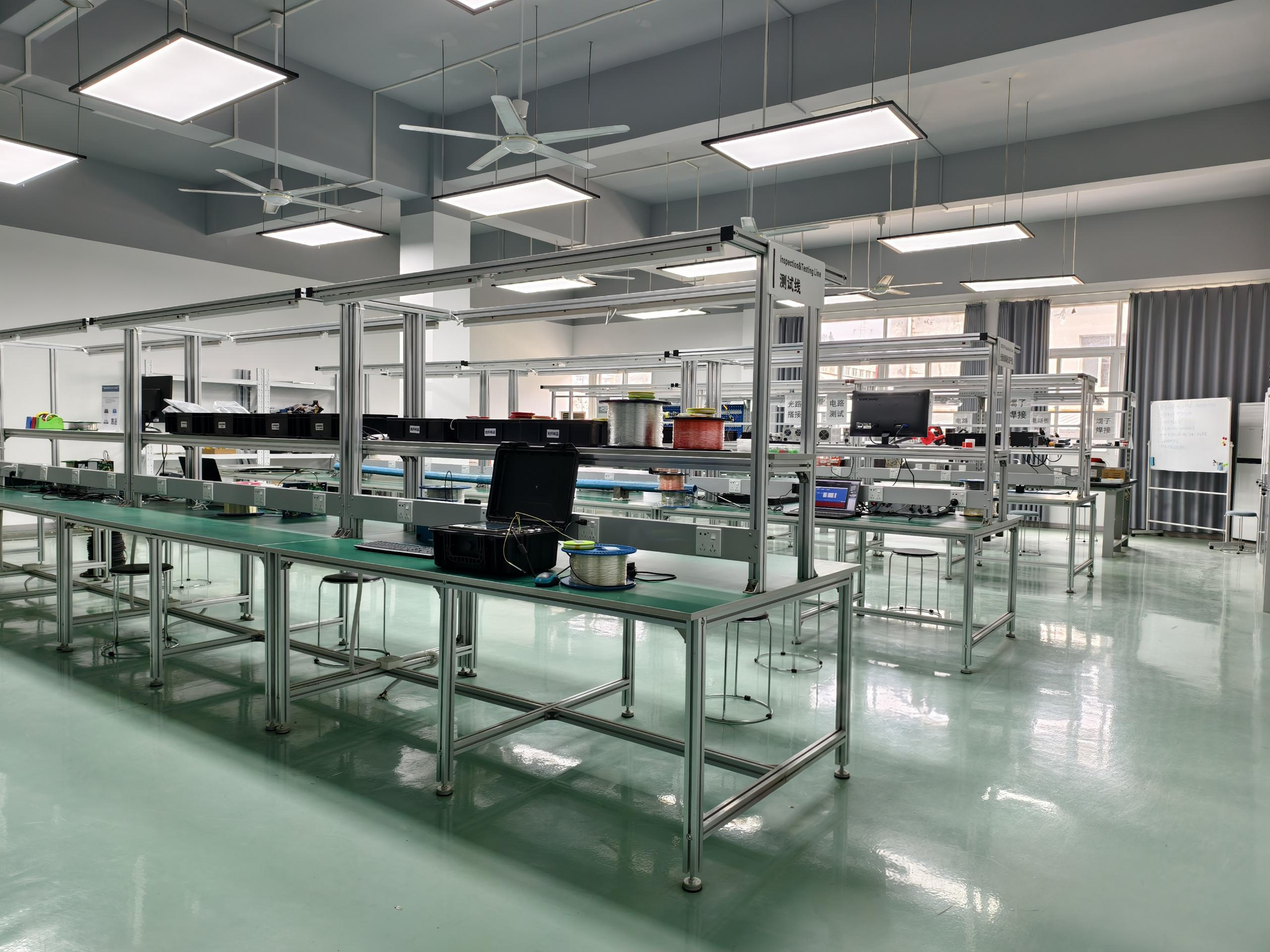
System integrationExplore how ultra-low reflectivity enables large-scale grating arrays. By reducing crosstalk and shadowing effects, UW-FBG makes high-density, long-distance sensing networks possible.
Learn more
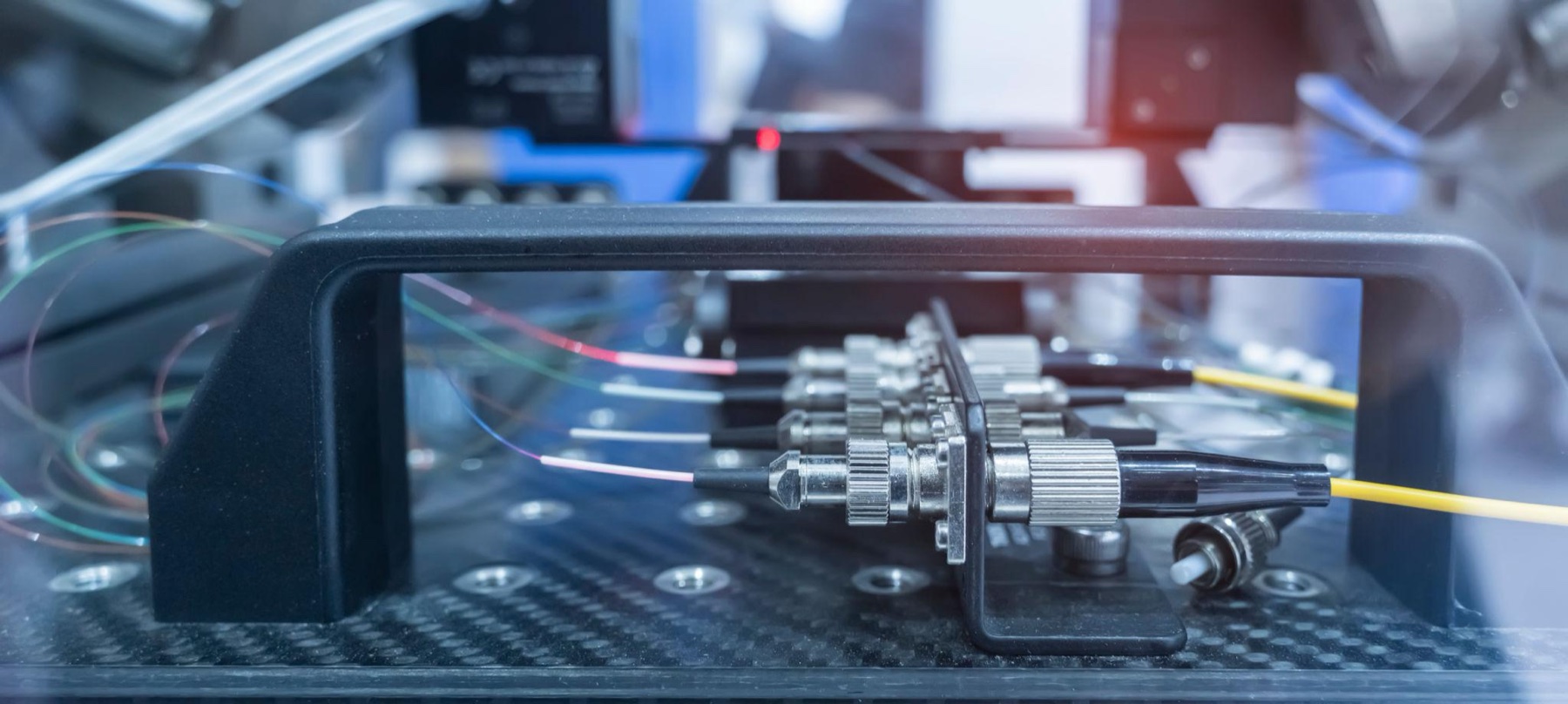
Optical benchUnderstand how different grating fabrication methods—UV inscription, draw-tower writing, and femtosecond processing—directly impact sensor performance, scalability, and stability.
Learn more
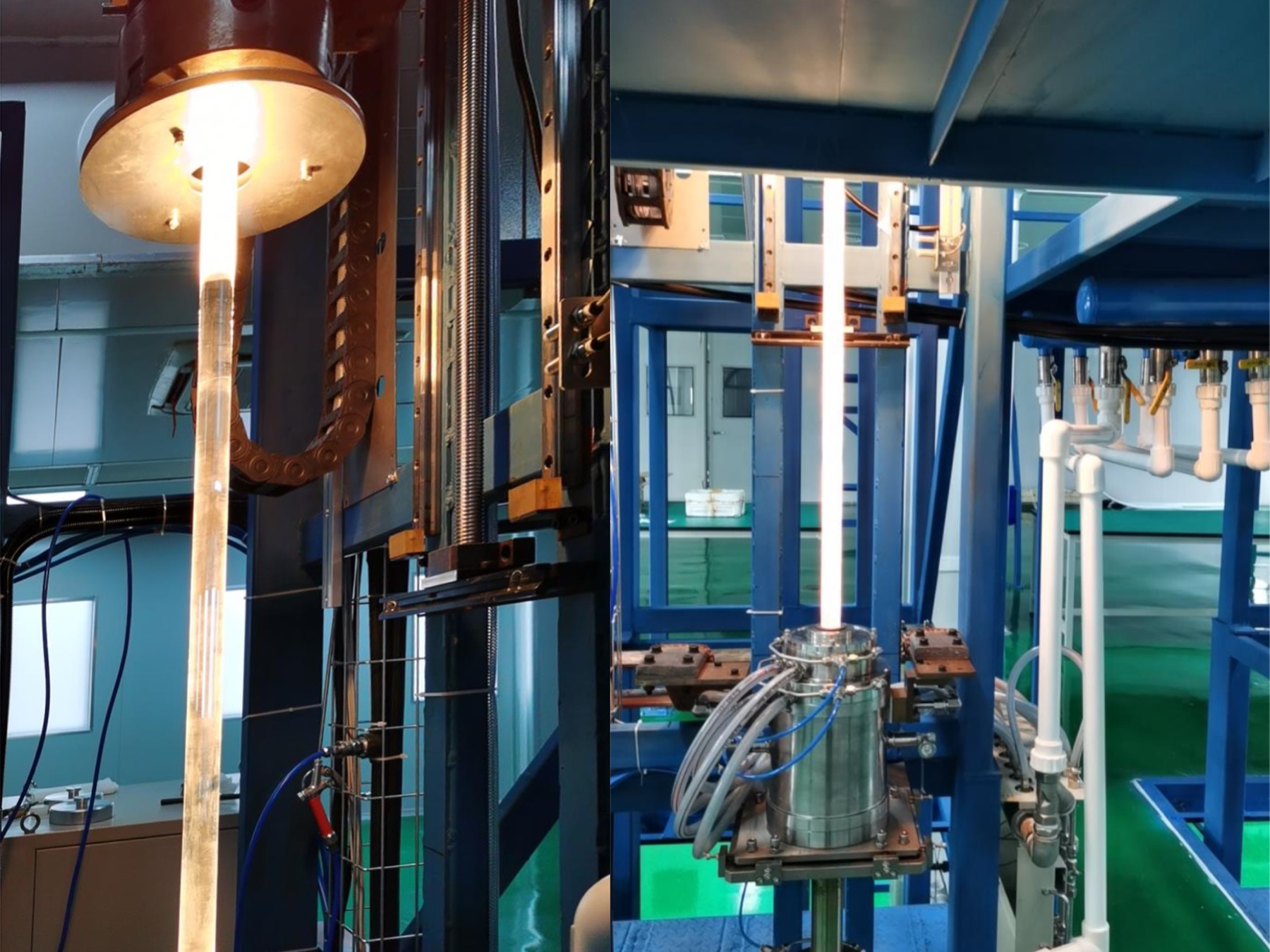
Draw-tower processDiscover how optical responses are converted into usable measurement data. From classic FBG interrogation to high-speed UW-FBG systems, see how data flows through the sensing chain.
Learn more
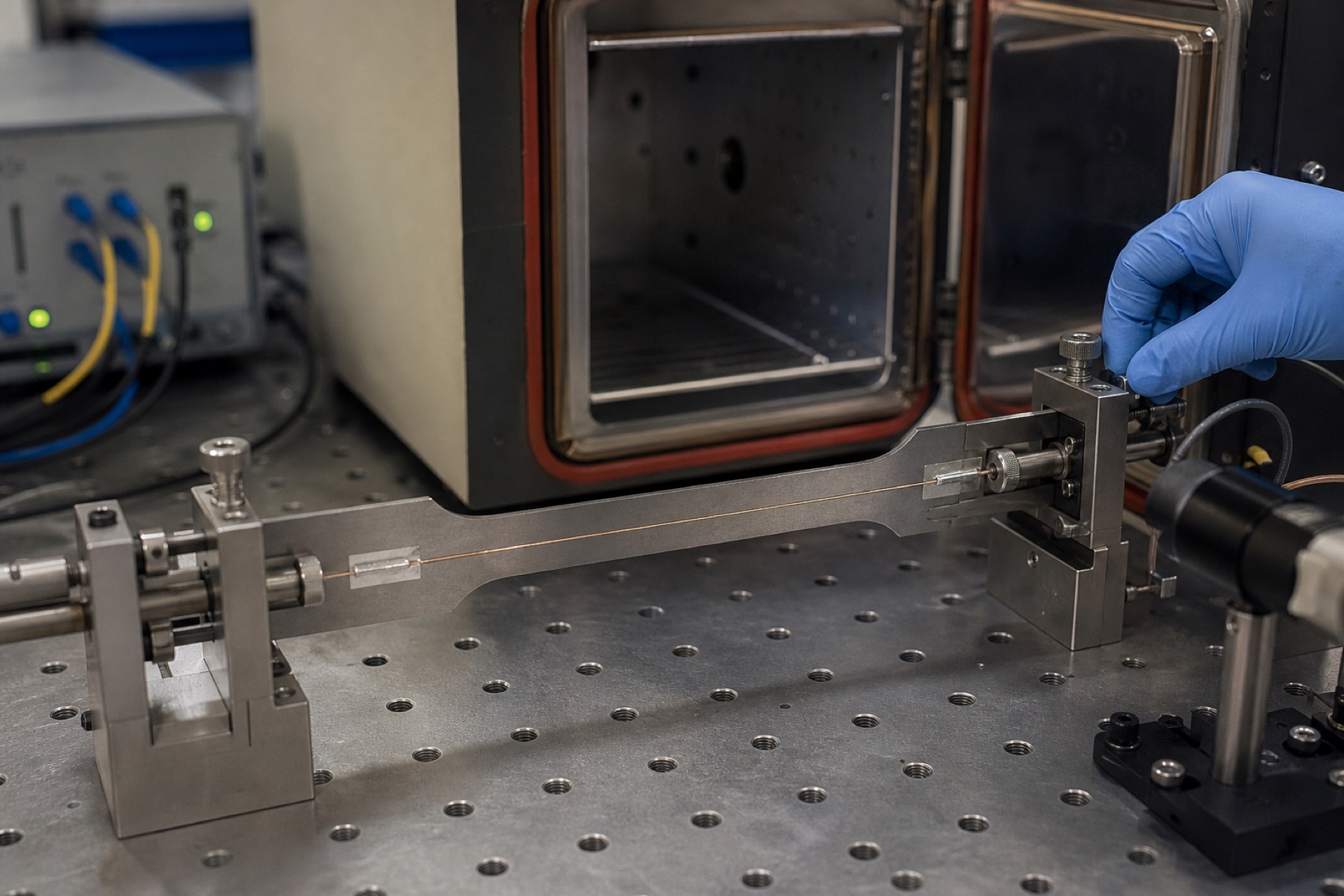
Module testingSee how strain, temperature, and humidity influence the Bragg wavelength. Understanding these mechanisms is key to accurate sensing and proper compensation design.
Learn more
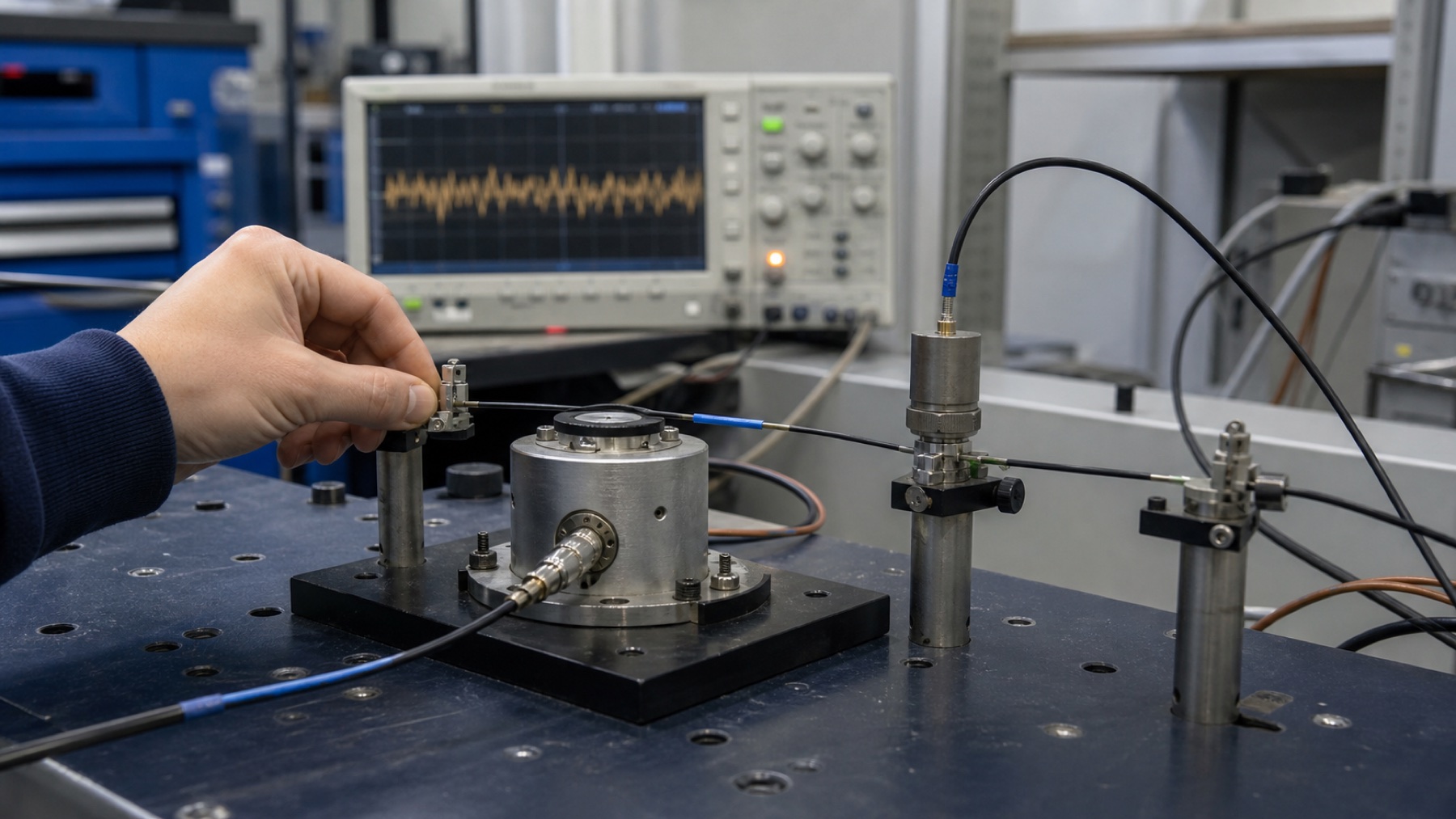
Illustrative calibration setupUnderstand how acoustic waves and micro-vibrations are converted into optical signal variations, spatially located, and analyzed as distributed dynamic sensing data using uwDAS technology.
Learn more
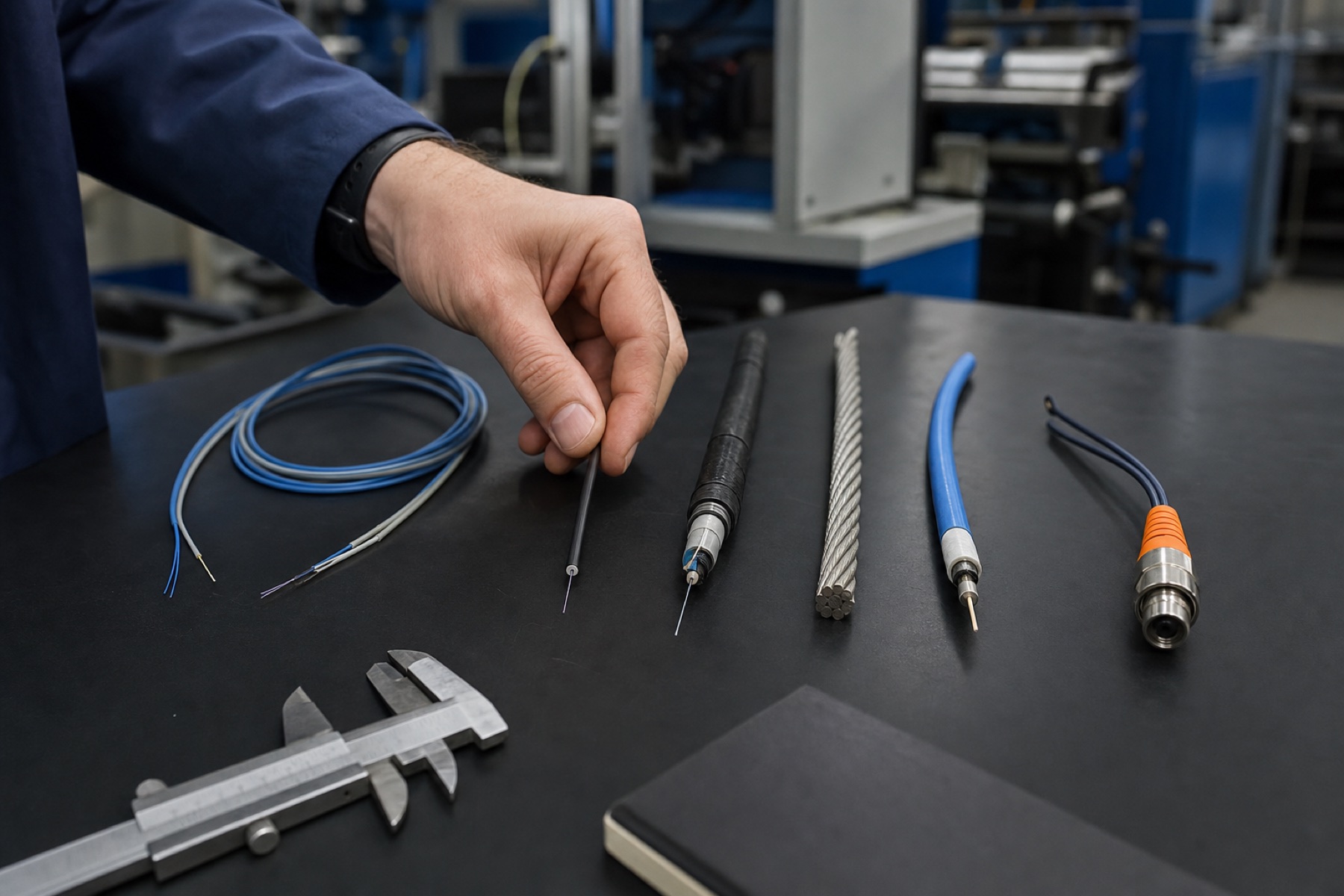
Illustrative dynamic testLearn how to select fiber type, coating, cable structure, and compensation strategy based on real application requirements, ensuring long-term reliability and accuracy.
Learn more
Illustrative cable selectionTalk to our engineers to design a solution tailored to your application.
Talk to an Engineer