
 01
01
Stay-cable response
Bridge Cable Tension Monitoring
Strain sensing at cable and anchorage zones provides a record of how tension changes under operational loading.
- Cable force
- Strain response
Applications & case studies
These references focus on what was measured, where the sensing line was placed and how the resulting spatial data related to structural behavior.
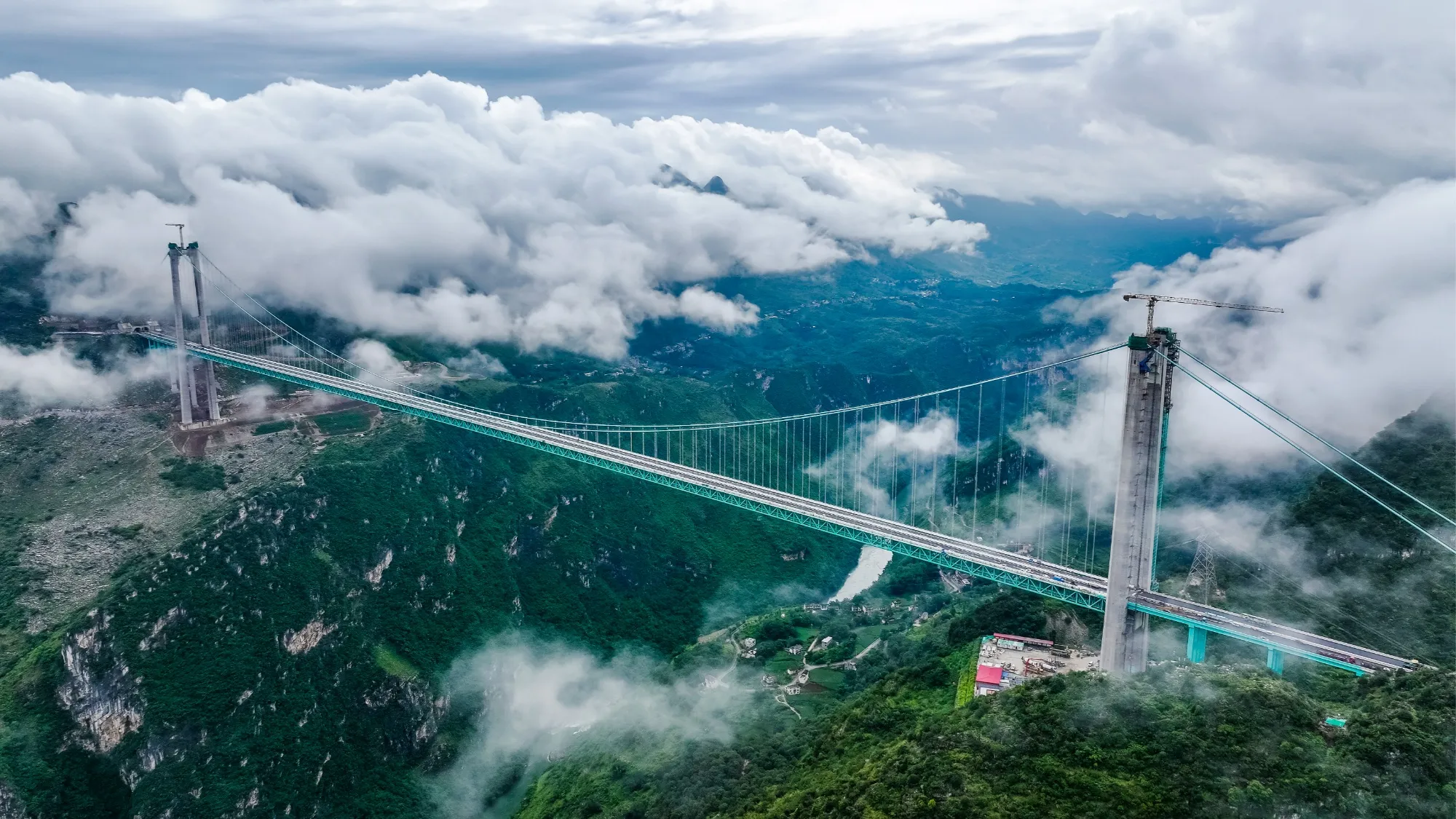
How to read the cases
Bridge projects differ in structural form, loading and access. The relevant comparison is therefore not which project looks most impressive, but how the sensing layout followed the load path and preserved spatial meaning.
Field references
01
Stay-cable response
Strain sensing at cable and anchorage zones provides a record of how tension changes under operational loading.
02
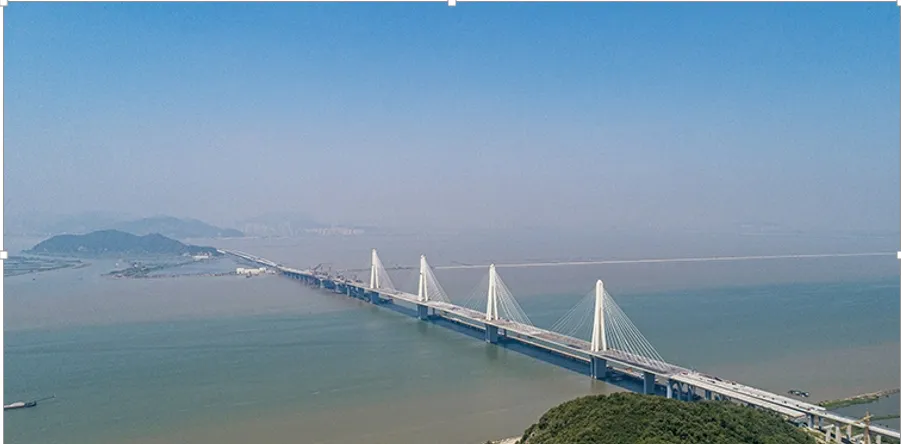
Full-lifecycle monitoring
Sensing arrays introduced during construction preserve a common measurement reference from erection through operation.
 03
03
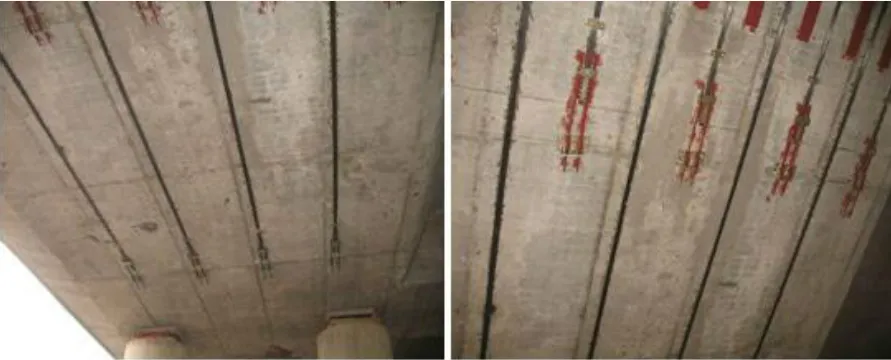
Spatial strain & deformation
Arrays along the bottom plate and webs capture the response of the 340 m main-span box girder as a spatial profile.
 04
04
Reinforcement verification
Embedded or bonded fiber sensing records load transfer through strengthened zones and helps verify reinforcement behavior.
 05
05
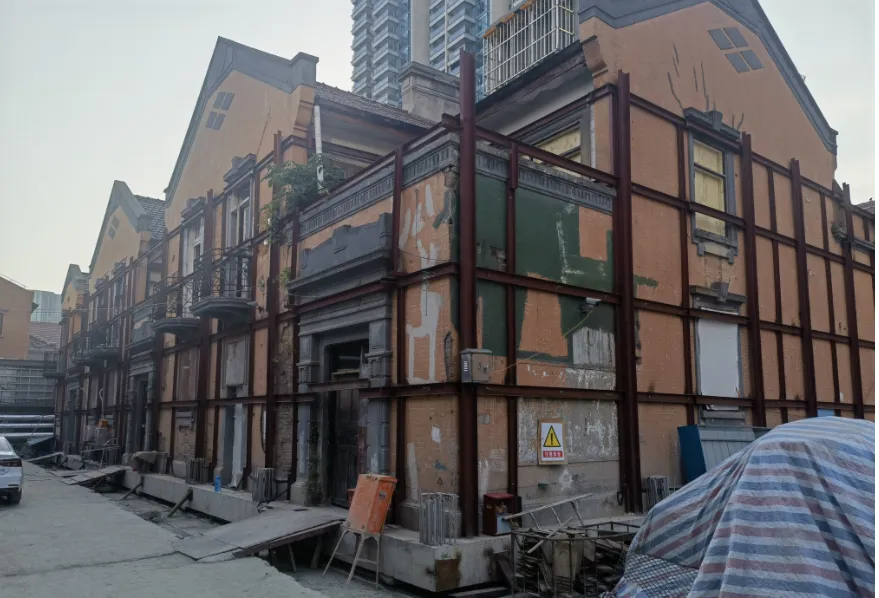
Movement and settlement
Distributed measurements support controlled movement by showing how deformation develops across a structure during relocation.
Evidence example
On Jinhai Bridge, array sensing along the bottom plate and both webs made it possible to compare how different parts of the girder responded under the same loading event. The installation geometry is what gives the data structural meaning.
Related monitoring approach
The bridge monitoring solution explains how structural questions are translated into coverage, sensing cable, interrogation and data interpretation.
Discuss a monitoring requirement
These inputs are enough to begin evaluating a practical bridge sensing layout.