
Fujian Wanhua Chemical — Pile Static Load Testing with UW-FBG Distributed Strain Monitoring
UW-FBG distributed strain sensing deployed in large-diameter bored piles (Ø1,200 mm × 77 m) for full-depth internal-force interpretation during vertical and horizontal static load testing at Fujian Wanhua Chemical project.
1. Application Case Overview
The Fujian Wanhua Chemical test pile project used ultra-weak fiber Bragg grating (UW-FBG) arrays to build a distributed strain monitoring system along the full length of large-diameter bored piles. The project focused on trial piles S1 and S3, with the objective of acquiring continuous pile-shaft strain data during vertical and horizontal static load tests and deriving axial force, side friction, end resistance, bending moment and shear-force distributions.
The test pile had a diameter of 1,200 mm, an approximate length of 77 m, C40 concrete, a pile-end bearing layer of blocky strongly weathered granite, and an embedment depth into the bearing layer of approximately 2.05 m. By installing sensing cables inside the reinforcement cage, the project expanded the static load test from a pile-head response test to a mechanism-level interpretation of internal force distribution.
2. Project Challenge
- Large-diameter bored-pile quality directly affects vertical and horizontal bearing capacity, requiring reliable data for design verification.
- Conventional point sensors are difficult to use for full-length pile interpretation and may face survival and stability issues during reinforcement-cage lifting and concrete casting.
- BOTDR and BOTDA can provide distributed sensing, but may have limitations in measurement accuracy, signal-to-noise ratio and sensing-cable strength for high-precision engineering monitoring.
- Vertical and horizontal static load tests require different interpretations, including axial load transfer, side-friction mobilization, pile-end resistance, bending moment concentration and shear-force distribution.
3. Ray-Sensor / Raysensing Solution
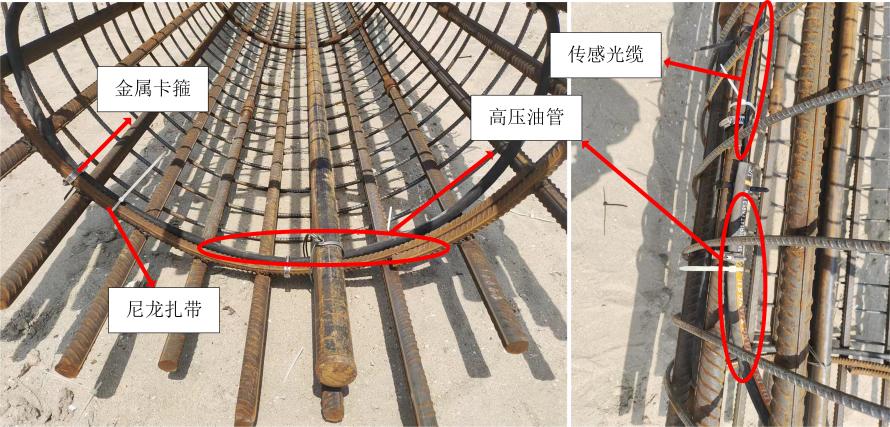
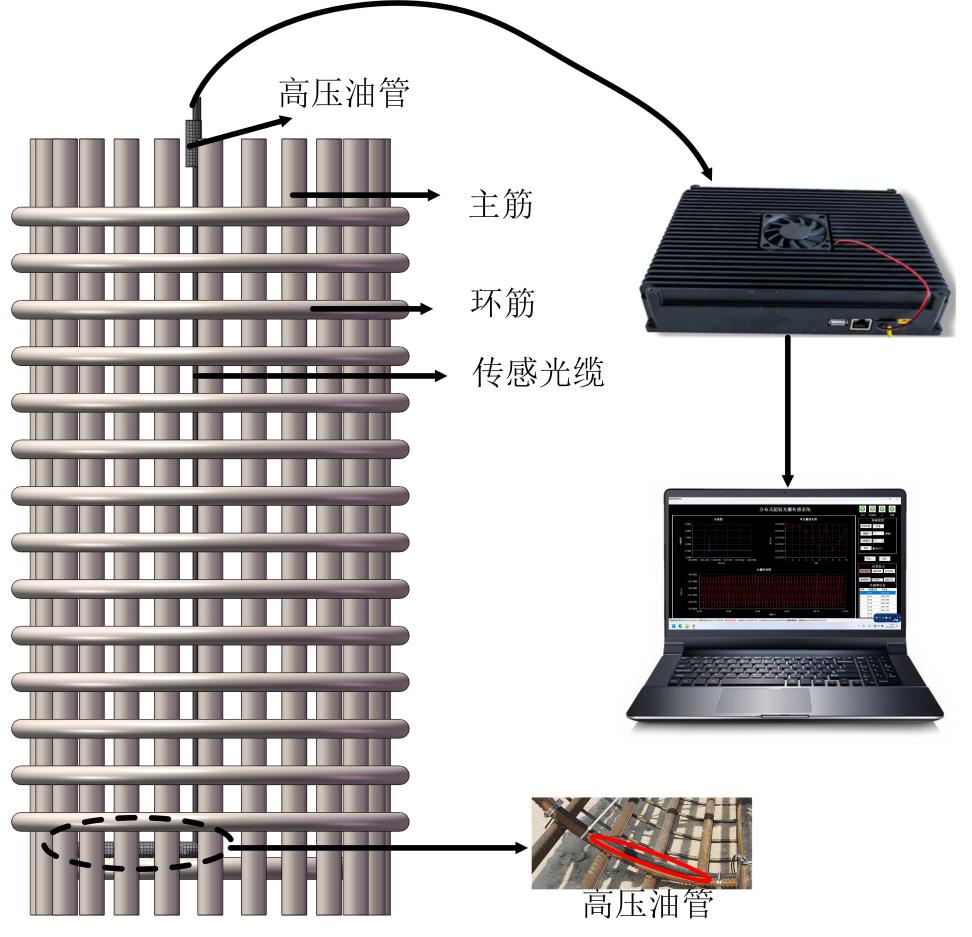
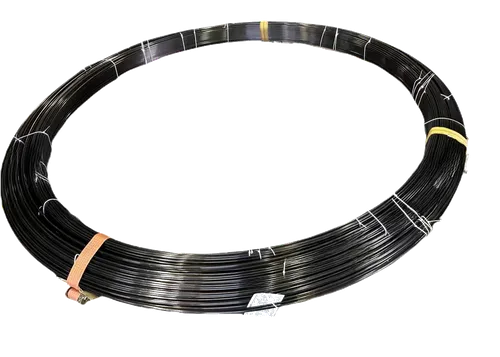
The project adopted a UW-FBG distributed sensing configuration. The sensing cable was arranged in a U-shaped layout along symmetric main bars of the reinforcement cage. Along the pile shaft, the cable was routed on the inner side of the main bars; at the pile bottom, it was arranged along the ring reinforcement.
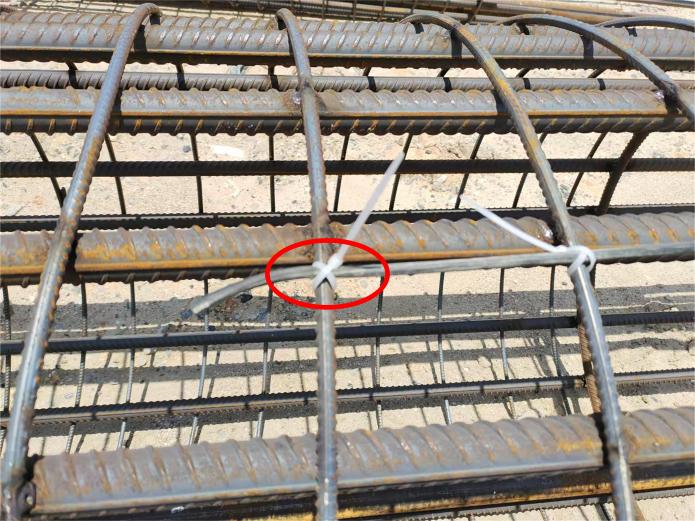
The bottom cable was protected and fixed using high-pressure tubing and stainless-steel clamps, while the shaft section was fixed with nylon ties at intervals of approximately 1–2 m. The lead-out cable at the pile head was routed through high-pressure tubing and protected inside a protective box.
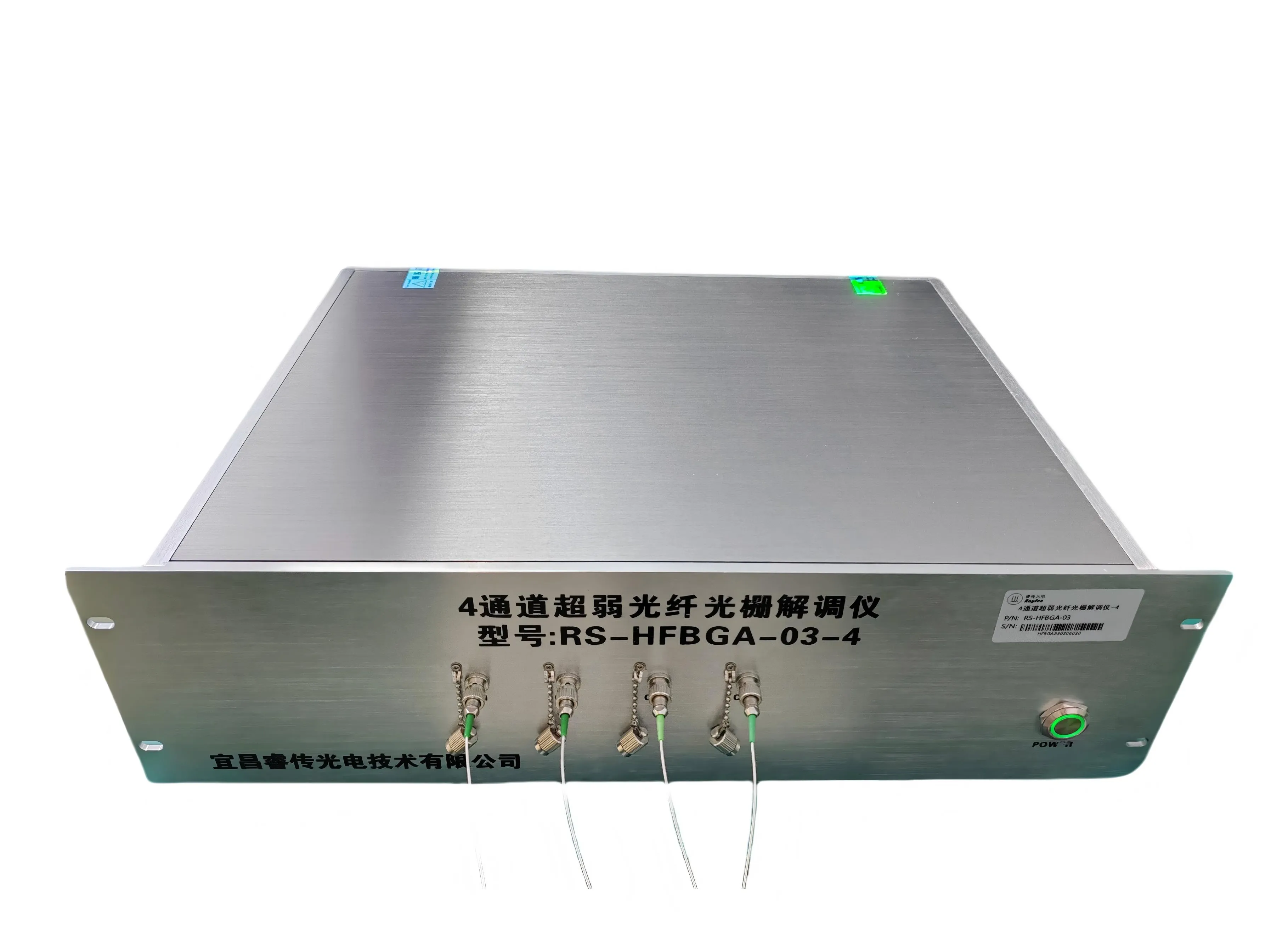
After concrete casting, the sensing cable was connected to the RS-HFBGA-01 ultra-weak FBG interrogation module. The system recorded wavelength information at different load levels and converted it into strain and internal-force distributions along the pile.
4. Monitoring Scope and Analysis Workflow
| Test Type | Monitoring Content | Analysis Output |
|---|---|---|
| Vertical Static Load Test | Pile-shaft strain distribution at different load levels | Axial force, side friction, end resistance and pile-shaft compression |
| Horizontal Static Load Test | Tension-compression strain difference at symmetric positions | Bending moment, shear force, maximum bending-moment depth and lateral-load influence depth |
| Temperature Influence | Comparison between pile-bottom and pile-shaft sensor data | Assistance in reducing temperature influence under relatively stable shallow-temperature conditions |
5. Result Summary
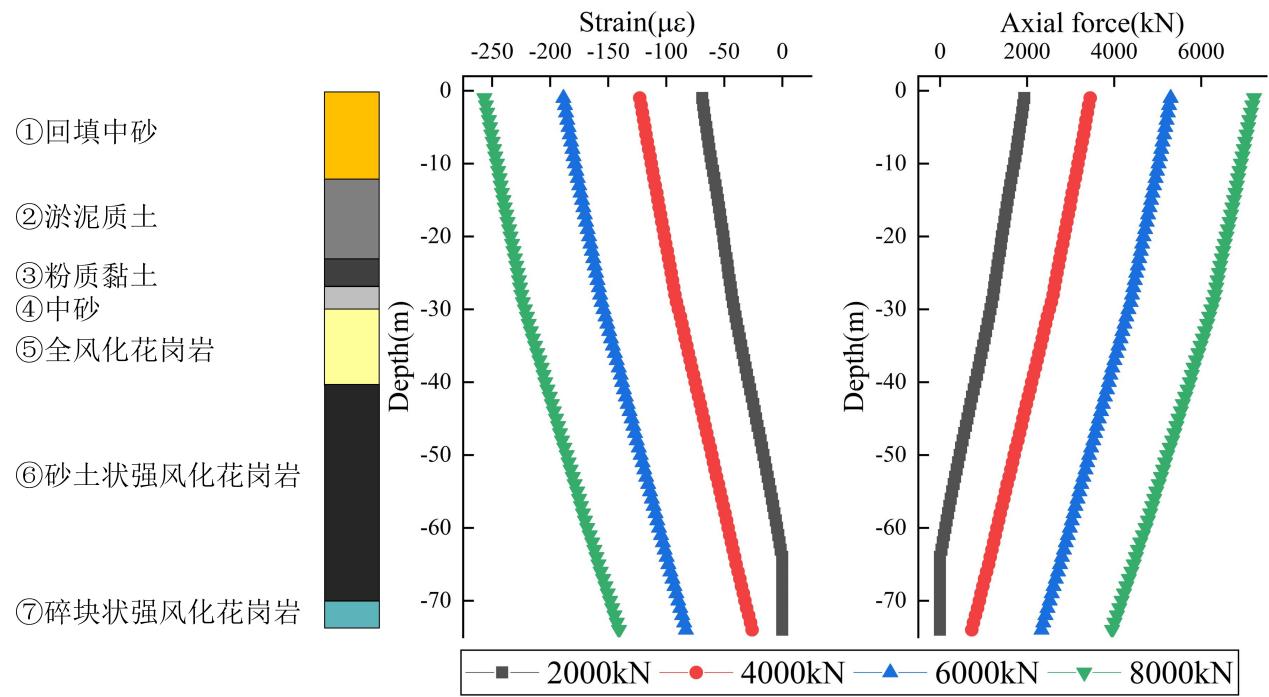
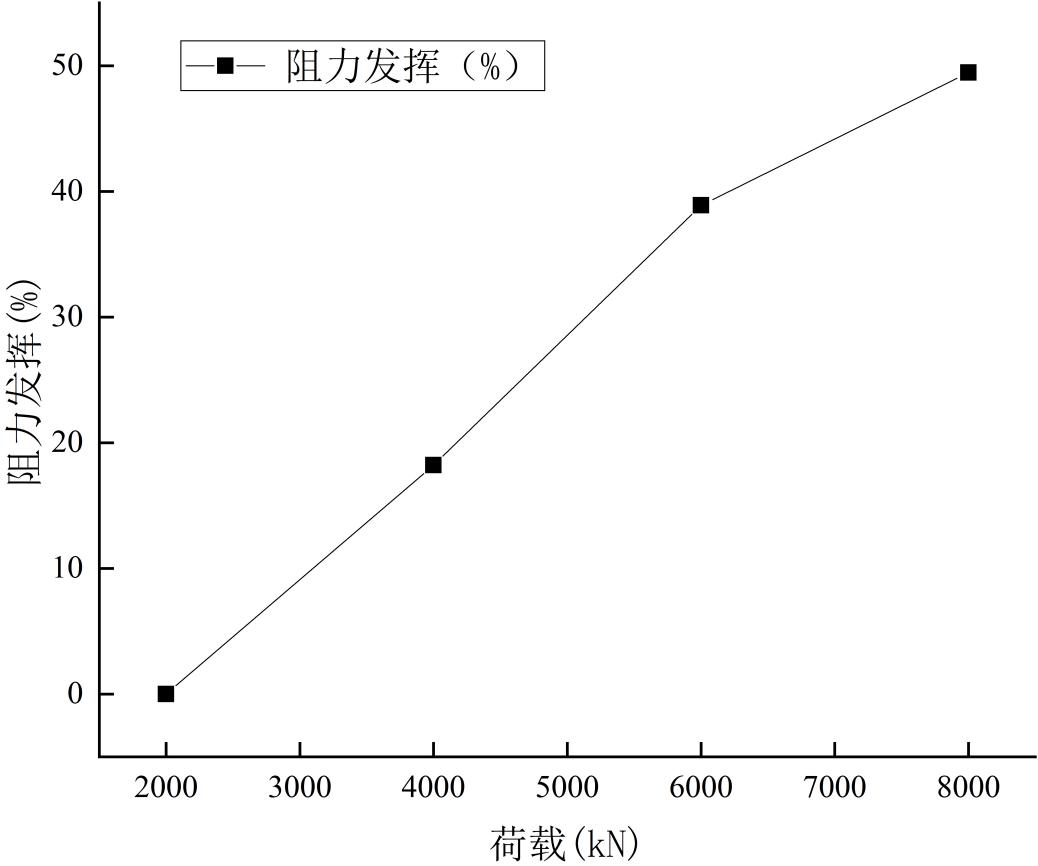
For vertical static loading, pile strain and axial force increased significantly with load level and decreased nonlinearly with depth. In the reported stages, both S1 and S3 showed relatively small side-friction contribution, while the pile-end bearing layer played a major supporting role. The maximum reported pile-end resistance contribution was 49.45% for S1 and 46.95% for S3.
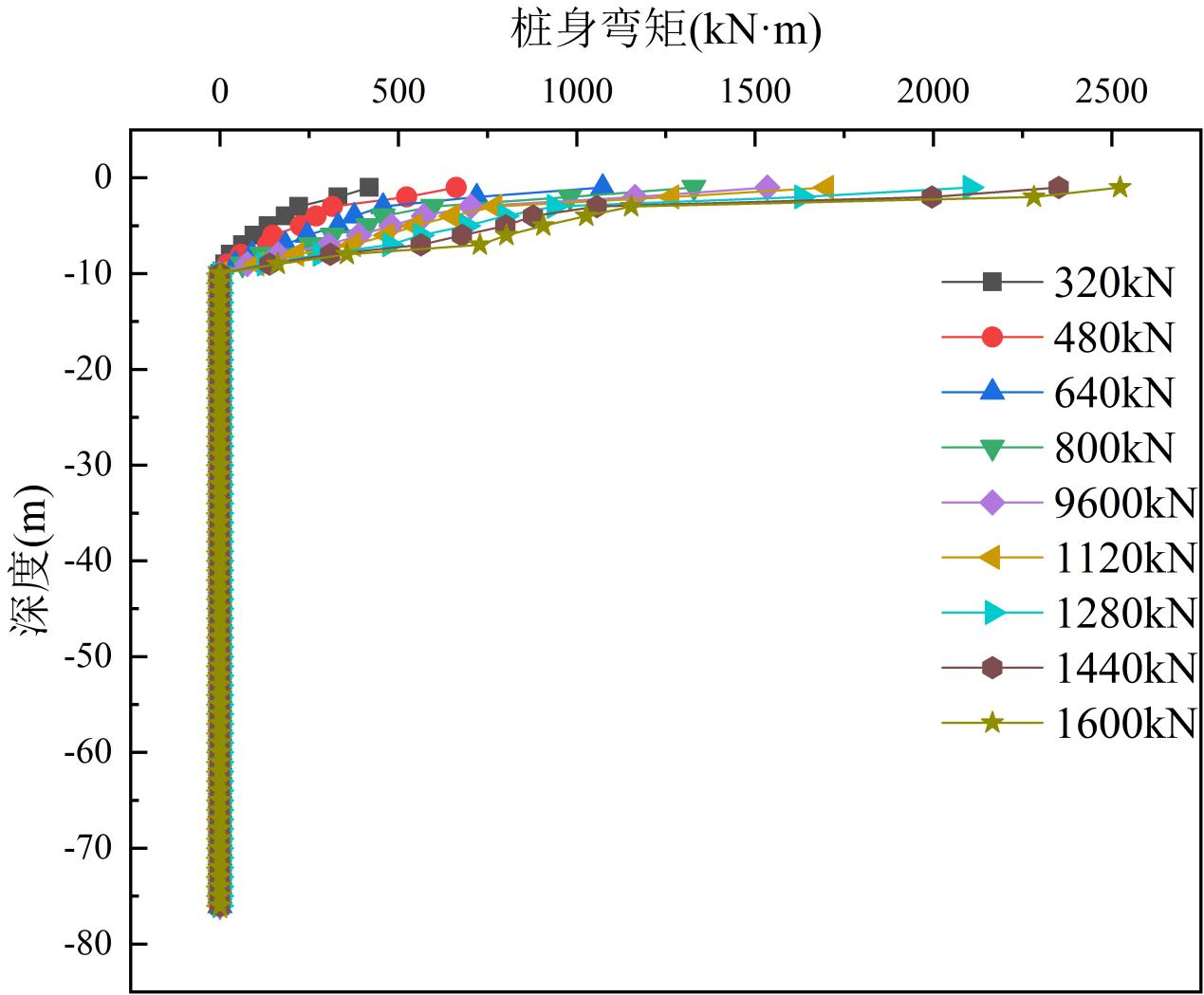
For horizontal static loading, the bending moment of S1 was mainly concentrated within approximately the upper 10 m of the pile, while S3 was mainly concentrated within approximately the upper 9 m. The maximum bending-moment section was located approximately 2 m below the pile head. As horizontal load increased, the overall bending moment also increased.
6. Application Value
Key Benefits
- Provides continuous full-depth strain and internal-force data for pile static load tests
- Helps distinguish the contributions of side friction and pile-end resistance during vertical loading
- Supports bending moment and shear-force interpretation under horizontal loading
- Identifies shallow critical response zones and maximum bending-moment positions under lateral load
- Acts as a supplement to conventional static load testing, geological investigation and structural design calculations rather than a stand-alone replacement
Suitable Applications
| Suitable Application | Notes |
|---|---|
| Large-diameter bored-pile trial testing | Suitable when full-depth internal-force distribution is required in vertical or horizontal static load tests. |
| Complex ground-load transfer evaluation | Useful when the contribution of side friction and pile-end bearing layers needs to be analyzed. |
| Design verification and optimization | Can support pile length, bearing-layer and load-transfer mechanism assessment. |
| Projects requiring cable protection during construction | Installation quality, lead-out protection, concrete casting protection and temperature compensation must be carefully managed. |
7. Conclusion
This project demonstrates how UW-FBG arrays can support continuous strain acquisition and internal-force interpretation in bored-pile static load testing. The reported S1 and S3 results show that the pile-end bearing layer played a major role in vertical load transfer, while horizontal bending response was concentrated in the shallow section below the pile head.
The case validates UW-FBG distributed sensing as an effective supplement to conventional static load testing, providing mechanism-level insight into pile behavior that point sensors cannot deliver. This approach is suitable for the Applications section and should be cross-linked with the Underground, Foundation & Deep Excavation Monitoring solution page.
Other Cases
Explore more case studies in this application area
Related Products
Explore our product portfolio for complete sensing solutions
Have Questions? Talk to an Engineer
Our engineers are ready to discuss your UW-FBG sensing requirements and help design the right solution for pile testing and underground monitoring.
Talk to an Engineer