Pile Axial Force / Strain
Distributed strain along full pile length with ±1 με
Monitoring solution
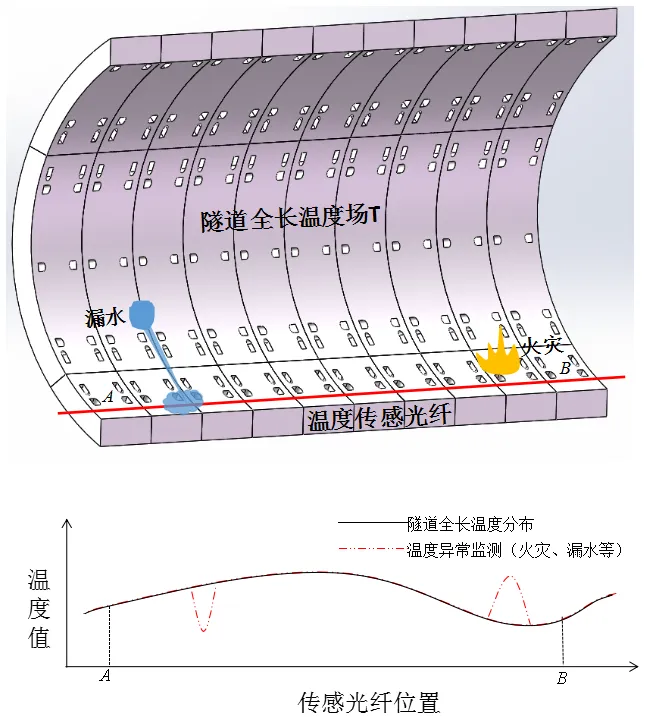
Distributed strain, axial force, and temperature sensing for pile foundations, diaphragm walls, tunnels, and deep excavation projects using UW-FBG technology.
The engineering question
Deep excavations, pile foundations, and underground structures involve complex soil-structure interaction that varies continuously with depth. Traditional vibrating wire strain gauges and inclinometers provide readings at discrete depths, missing critical stress concentrations that can lead to foundation failure, excessive settlement, or damage to adjacent structures.
Urban metro stations, high-rise basements, and underground utility tunnels are often built adjacent to existing buildings and infrastructure. The safety of these adjacent structures depends on real-time knowledge of ground movement and structural response at every depth level — information that only distributed sensing can provide at the required resolution.
Monitoring boundary
Distributed strain along full pile length with ±1 με
Continuous wall deflection profile during excavation
Sub-mm settlement tracking around excavation
Steel stress monitoring in reinforced concrete elements
Mass concrete temperature during curing
Real-time displacement of nearby buildings
Sensing chain
Field placement
UW-FBG strain cables tied to pile reinforcement cages before concreting
Diaphragm wall strain cables paired with flex inclinometer for full deformation profile
Surface settlement arrays using FBG settlement cells around excavation perimeter
FBG rebar strain gauges on key structural reinforcement members
Temperature monitoring arrays in mass concrete pours for thermal control
RS-HFBGA interrogator positioned on-site with real-time data display
Automated alerts for threshold exceedance (wall deflection, pile strain, settlement)
Engineering record
Field evidence
Define the monitoring boundary
These inputs determine the sensing layout more reliably than choosing an instrument first.