
FBG and UW-FBG Fabrication Technologies
The fabrication route determines spectral quality, scalability, stability, and ultimately the kind of sensing product that can be built.
FBG & UW-FBG Fabrication Technologies
1. UW-FBG Grating Architecture
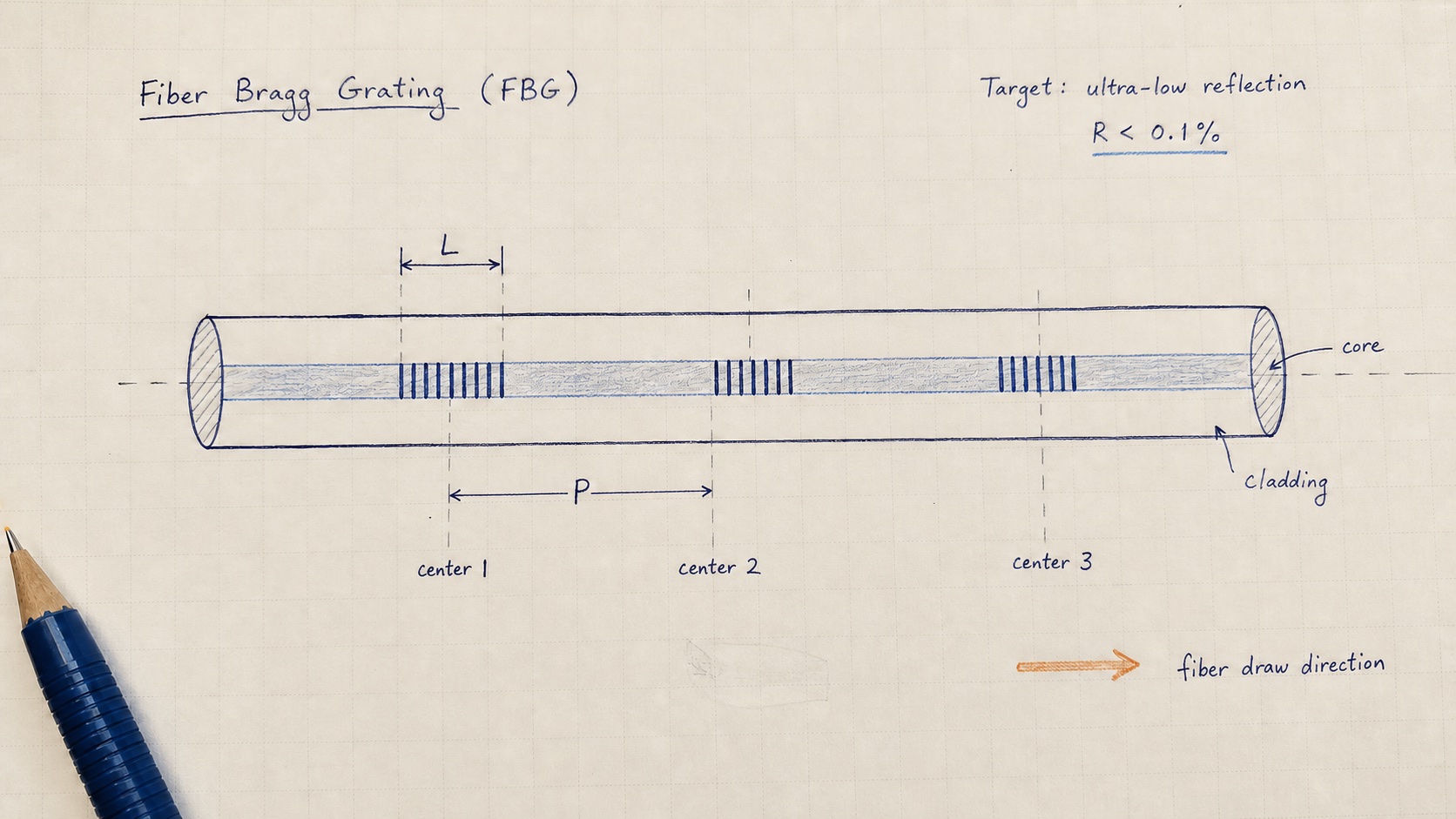
An ultra-weak fiber Bragg grating (UW-FBG) array consists of hundreds to thousands of individual gratings inscribed along a single optical fiber. As illustrated in Figure 1, each grating is characterized by a defined grating length (L) and inter-grating pitch (P), enabling precise spatial resolution along the sensing fiber. The reflectivity of each UW-FBG is typically below 0.1%, allowing light to pass through the entire array while maintaining detectable back-reflections from every grating for distributed sensing.
2. Draw-Tower Inscription — UW-FBG Production
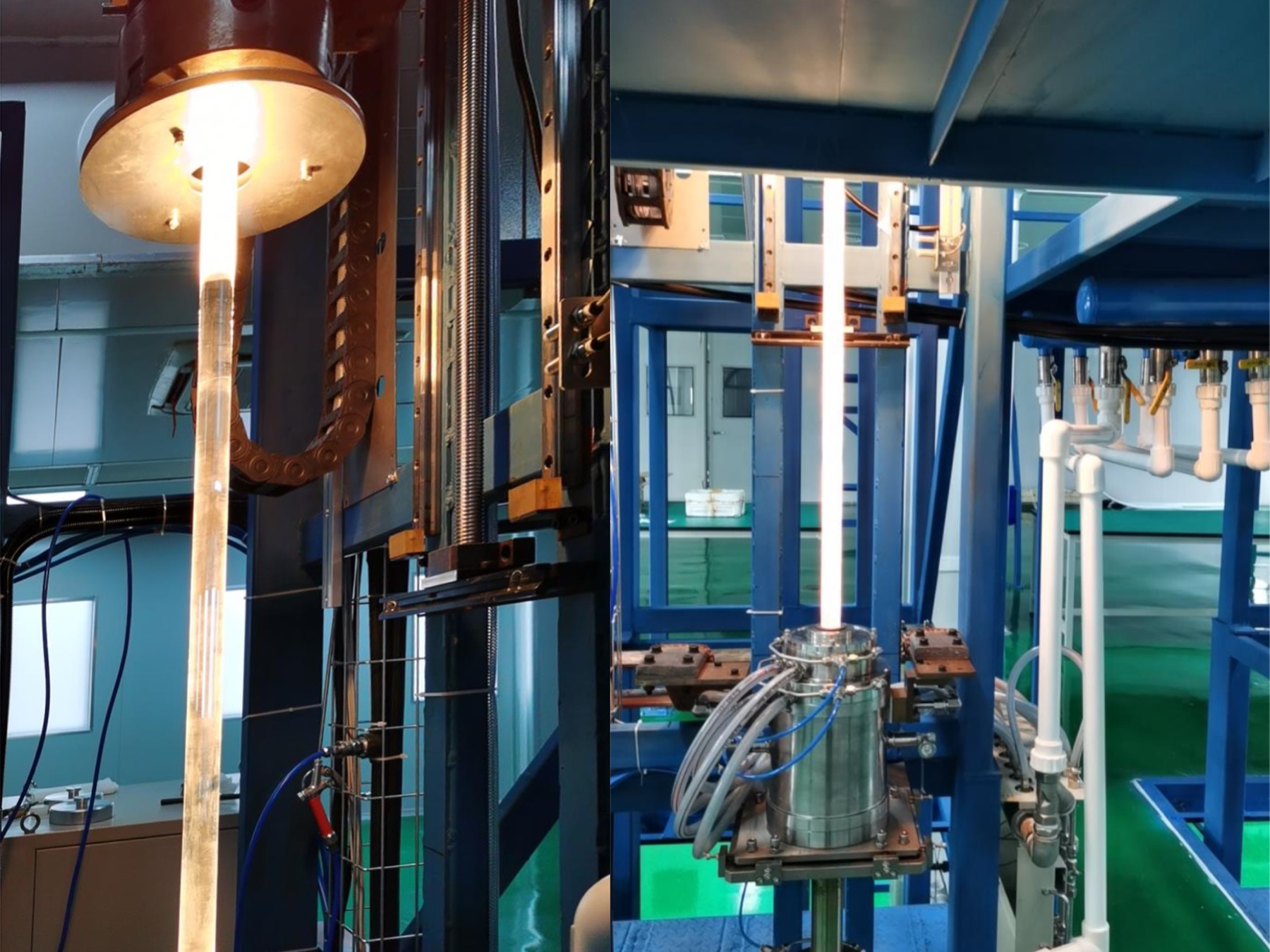
Unlike conventional FBGs that are written post-fabrication using UV phase mask or femtosecond laser exposure, UW-FBG gratings are inscribed directly during the fiber drawing process using a draw-tower system. A pulsed UV laser or excimer laser writes the grating array onto the fiber as it exits the furnace, before the protective coating is applied. This inline method delivers three major advantages:
- Scalability: Kilometers of UW-FBG array can be produced in a single continuous run without splicing individual gratings.
- Mechanical integrity: The fiber coating is applied after inscription, preserving the fiber's native mechanical strength.
- Low insertion loss: The ultra-low reflectivity (0.01%–1%) combined with inline fabrication yields minimal optical loss across the entire array, enabling long-distance transmission.
3. Key Parameters
- Grating Length: Typically 3–10 mm per grating, defining the spatial resolution of each sensing point
- Grating Pitch: Customizable spacing from 0.5 m to 10 m, enabling application-specific sensor density
- Reflectivity: 0.01%–1%, orders of magnitude lower than conventional FBGs
- Total sensor count: Up to 10,000+ gratings on a single fiber
4. Fabrication Methods Comparison
The choice of fabrication method determines spectral quality, thermal stability, and production scalability:
- UV Phase Mask: Mature and stable, ideal for discrete high-quality FBG sensors; limited to batch processing of individual gratings.
- Draw-Tower Inscription (UW-FBG): Scalable continuous production of high-density grating arrays; enables kilometer-scale sensing with thousands of multiplexed sensing points.
- Femtosecond Laser: Flexible inscription on specialty fibers (sapphire, mid-IR); suitable for harsh environments but with lower throughput.
5. Engineering Impact
Draw-tower UW-FBG fabrication fundamentally changes the economics of distributed fiber optic sensing. By eliminating the need for individual grating splicing and supporting mass production of grating arrays, it enables large-scale structural health monitoring at a fraction of the cost of conventional point-sensor or FBG-based approaches. The combination of ultra-low reflectivity, customizable pitch, and high mechanical strength makes UW-FBG the preferred sensing solution for long-distance, high-density monitoring applications.
Process Flow
This represents the standard FBG fabrication route. It is useful for the website because it turns an abstract principle into a process the reader can understand.
For UW-FBG, the key website message is different: writing can happen during fiber production itself, which changes scale and economics.
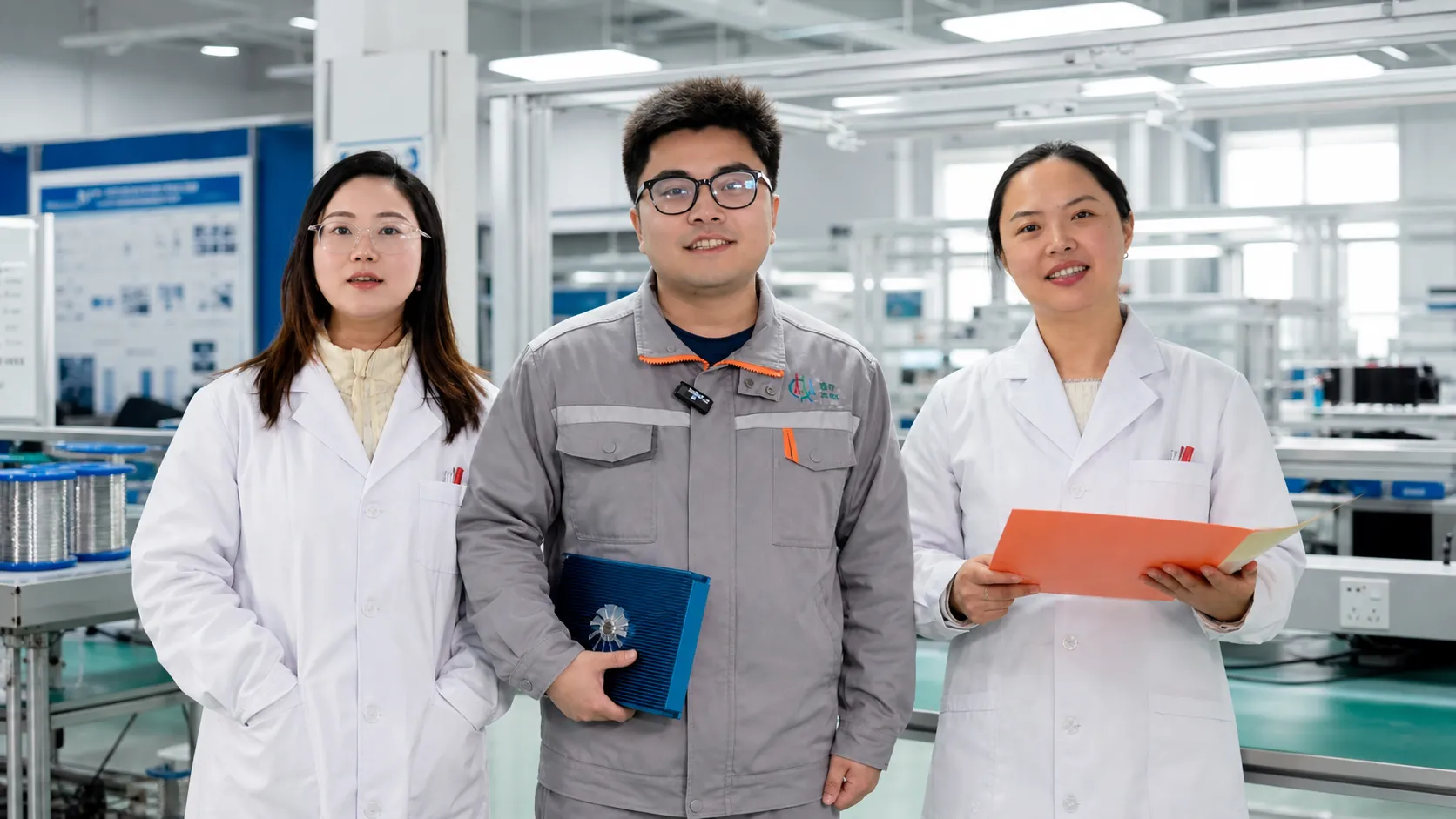
From controlled optical interactions to field measurements.
The principles described in this chapter are examined through grating fabrication, optical interrogation experiments, sensing-cable characterization, and field validation. Each stage tests a different part of the sensing chain.
- 01FabricateControl the optical structure.
- 02MeasureObserve the signal response.
- 03ValidateTest the complete sensing chain.
Related Products
Explore our product portfolio for complete sensing solutions
Ready to Build Your Sensing System?
Talk to our engineers to design a UW-FBG sensing solution tailored to your application.
Talk to an Engineer