
 01
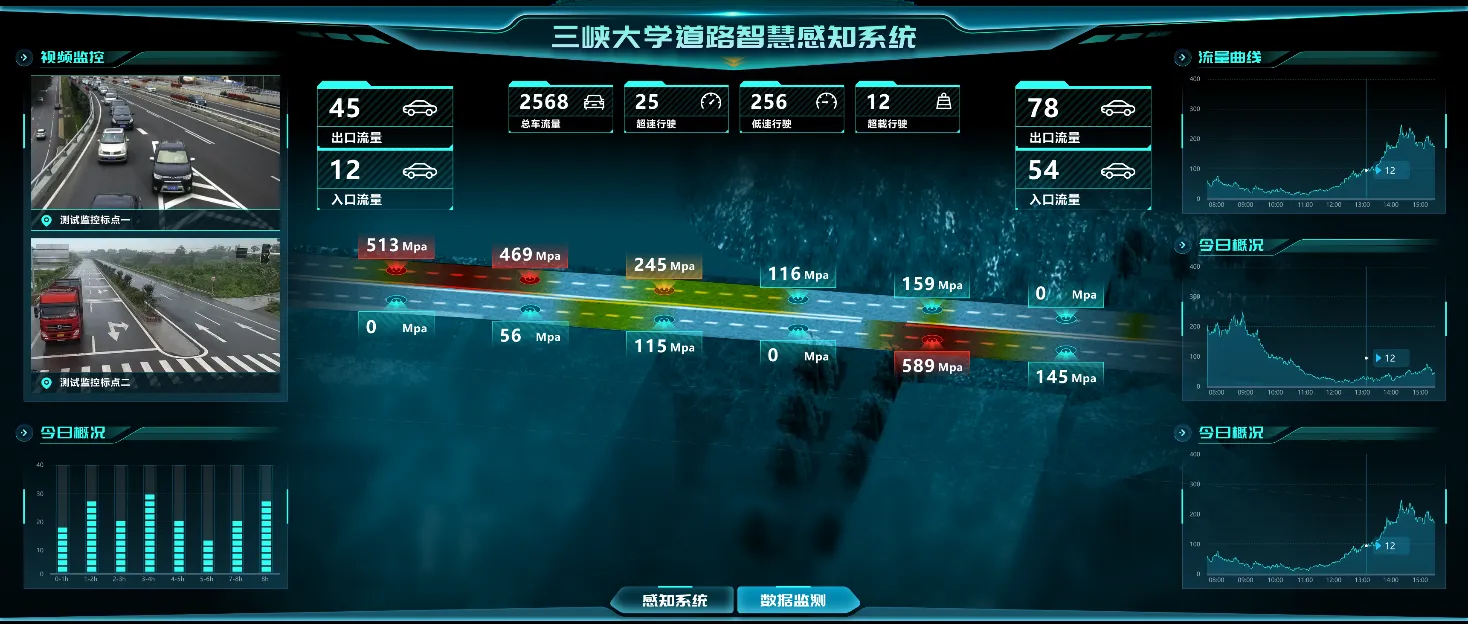
01Traffic and route sensing
Smart Road Perception
Distributed dynamic measurements preserve where a traffic event occurs along the monitored road section.
- Road corridor
- Event position
Applications & case studies
These cases connect distributed measurements to roads, metro excavations and mountain corridors where event position and infrastructure context matter.
How to read the cases
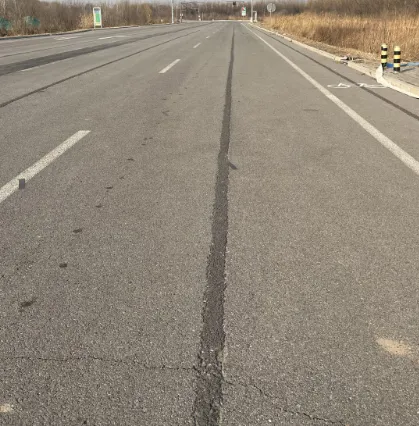
Traffic, construction and natural hazards generate different spatial and temporal signatures. The sensing line must follow the corridor and preserve enough context to distinguish them.
Field references
01Traffic and route sensing
Distributed dynamic measurements preserve where a traffic event occurs along the monitored road section.
 02
02Urban underground works
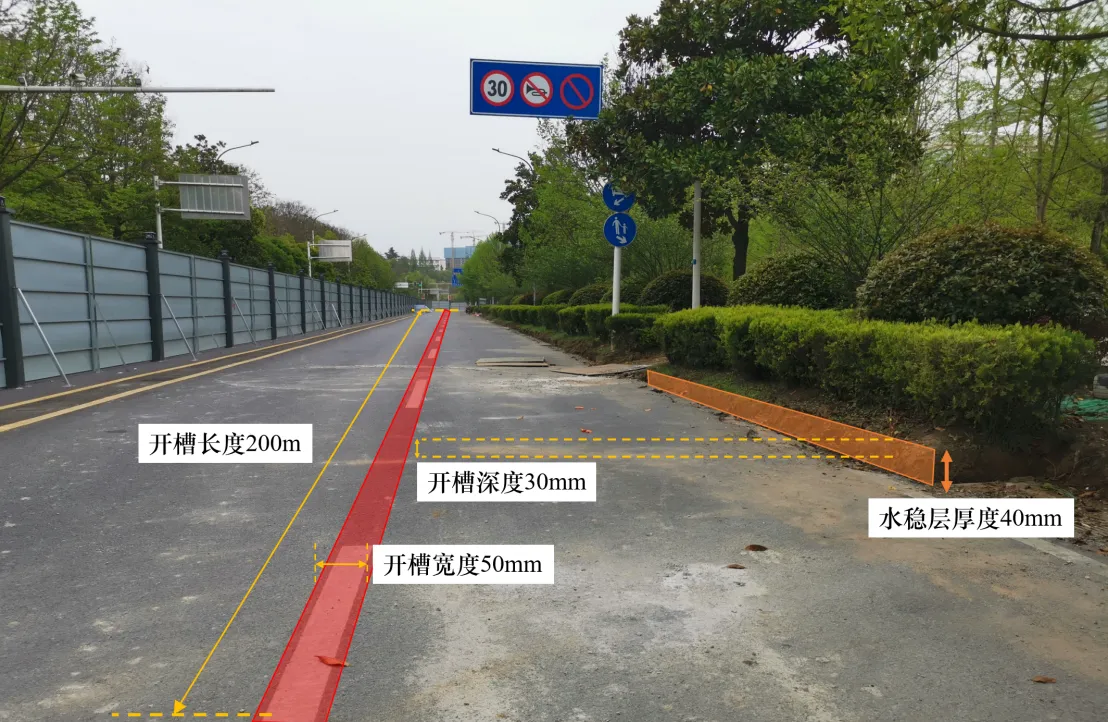
Depth-wise response is interpreted alongside excavation stages and retaining-system geometry.
Evidence example
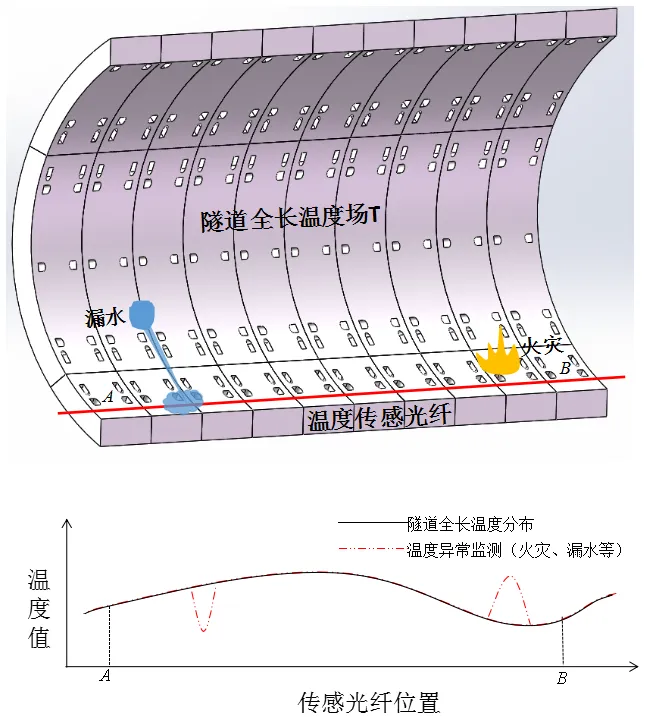
Transportation networks are spatial systems. Distributed sensing keeps a common reference along the corridor so traffic, construction response and external hazards can be interpreted against location.
Related monitoring approach
The transportation solution connects route geometry, expected events and required response time to the sensing and processing chain.
Discuss a monitoring requirement
These inputs define the useful sensing coverage and acquisition strategy.