
 01
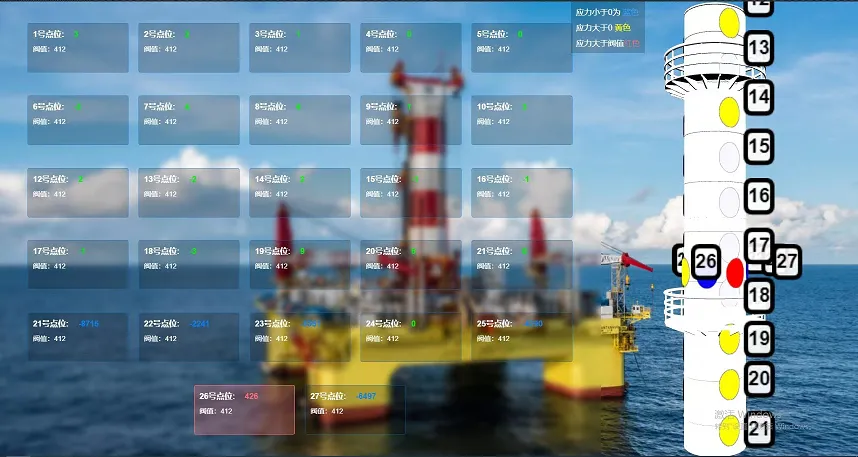
01Offshore structure
Oil Platform Strain Monitoring
Structural measurements are referenced to the platform member and its operating load path.
- Offshore structure
- Strain response
Applications & case studies
These references show how optical sensing is placed in wells, offshore structures, mines and power systems where distance, access and electromagnetic conditions matter.
How to read the cases
A downhole temperature profile, an offshore strain record and a power-corridor measurement answer different questions. The useful comparison is how each sensing path follows the asset and survives its environment.
Field references
01Offshore structure
Structural measurements are referenced to the platform member and its operating load path.
 02
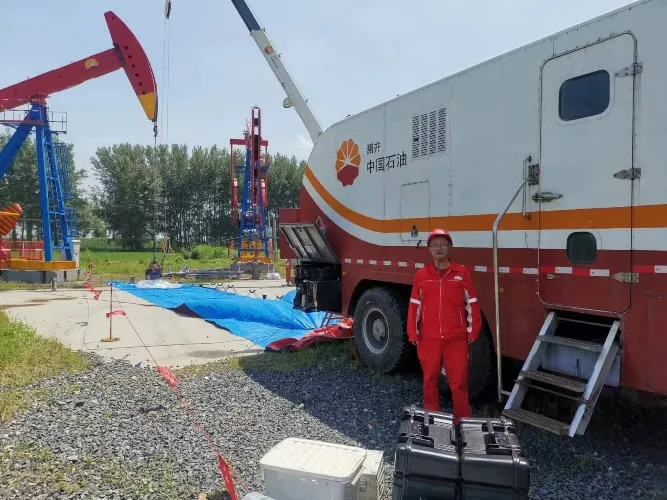
02Well temperature profile
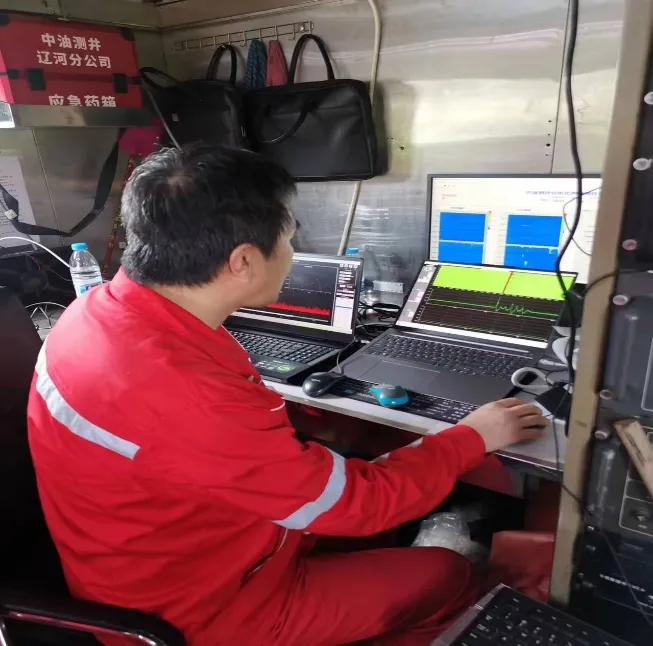
A continuous temperature record along the well helps localize anomalies that isolated gauges may miss.
 03
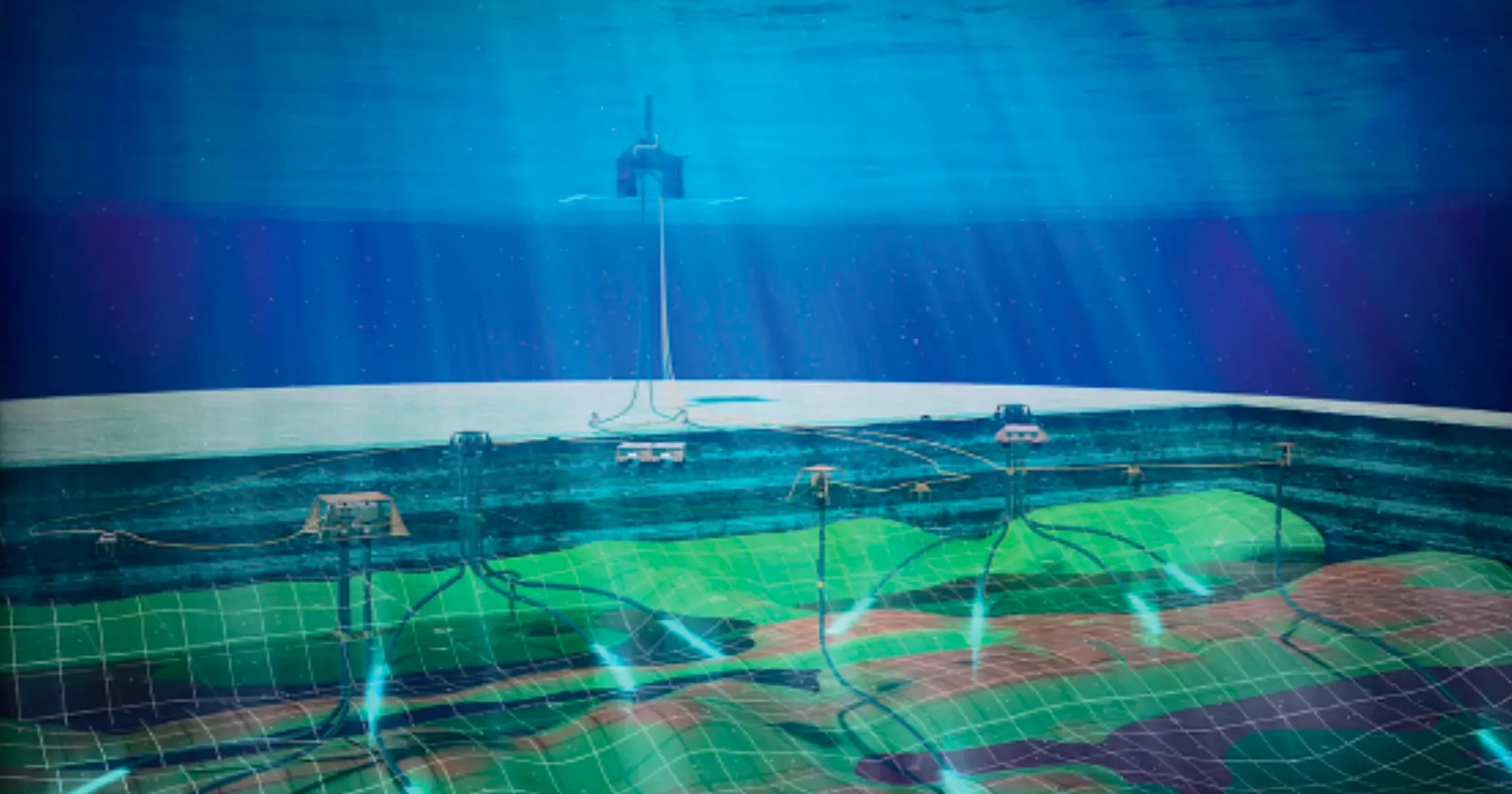
03Subsea operating context
The sensing route follows inaccessible production infrastructure while maintaining a passive optical measurement path.
 04
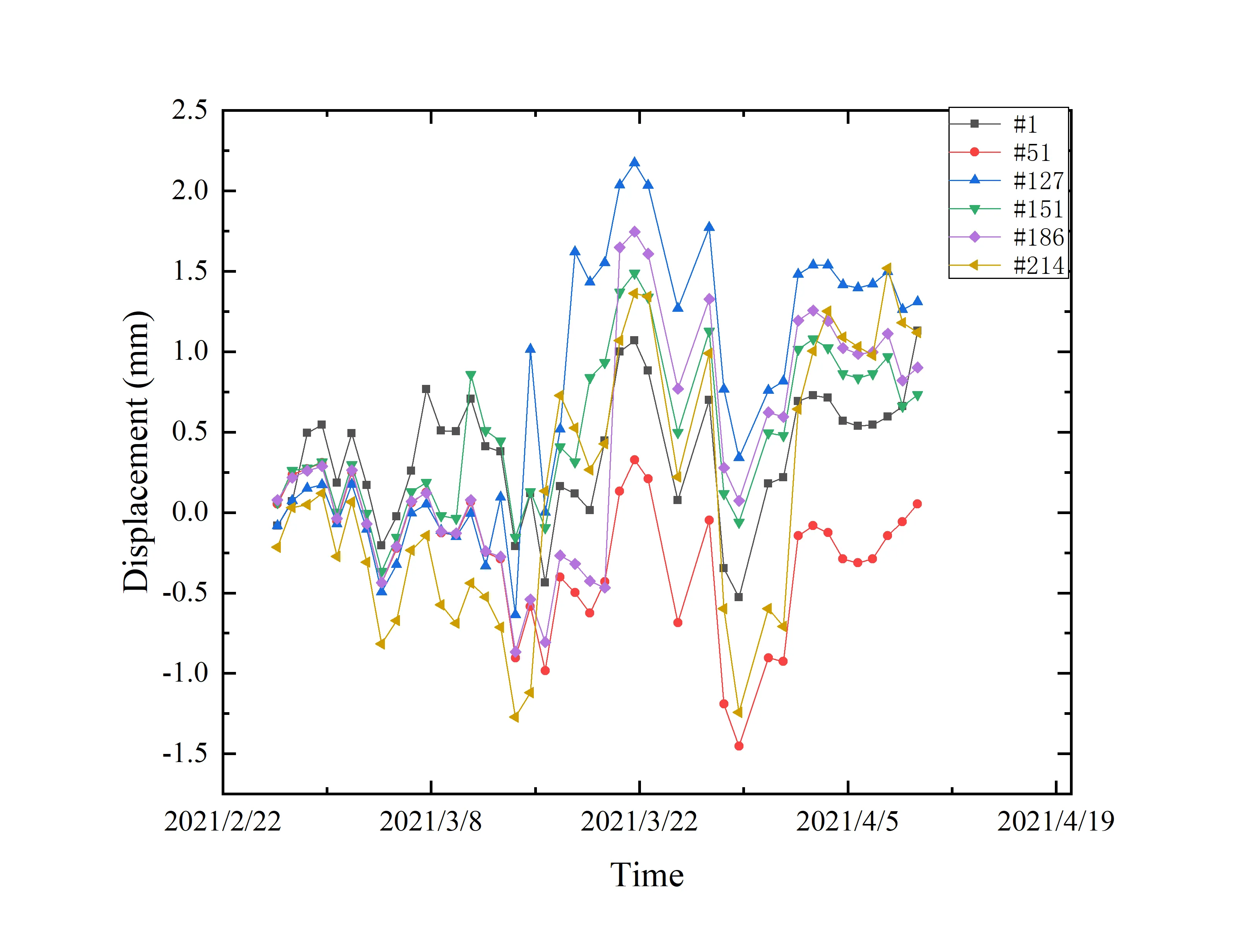
04Ground response
Spatial displacement records relate surface change to the monitored mining boundary.
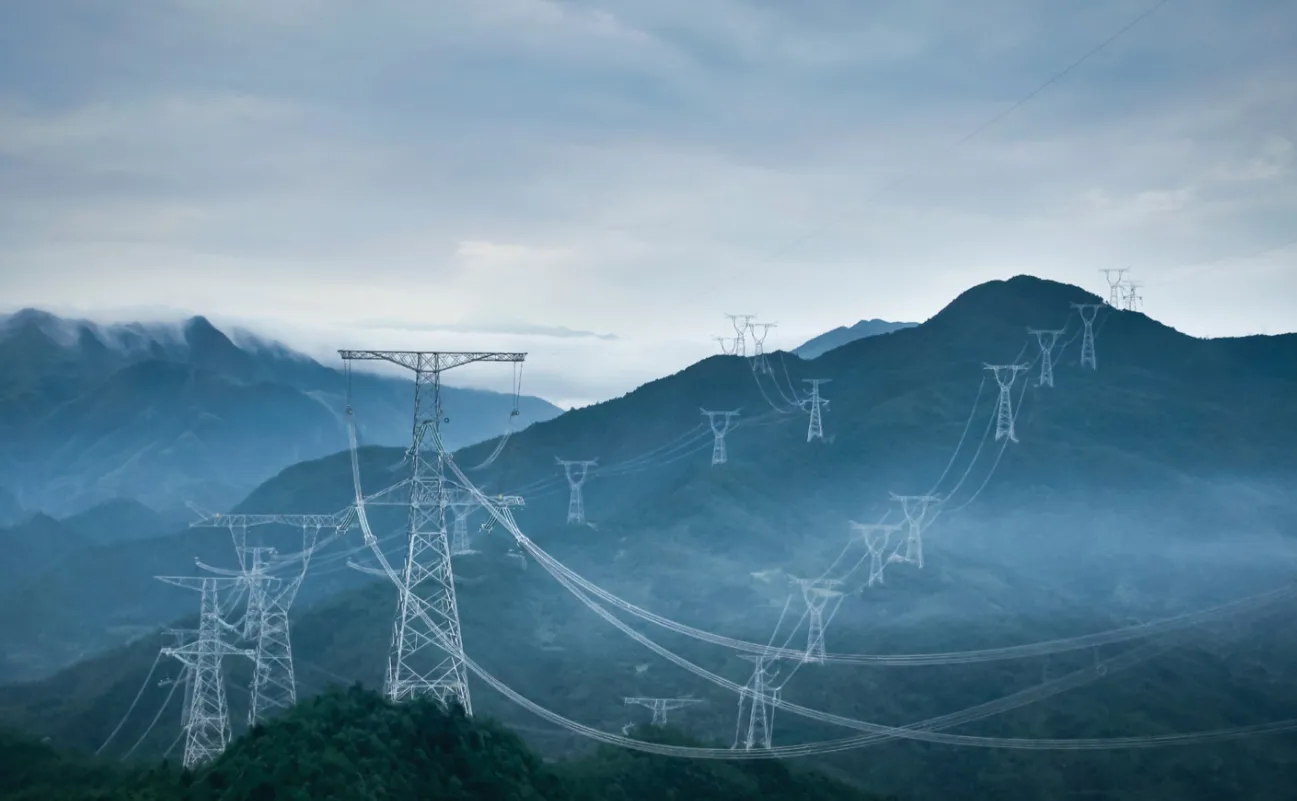 05
05Power infrastructure
Optical measurements provide temperature and structural visibility in an electromagnetically demanding environment.
Evidence example
In inaccessible energy assets, the value of fiber sensing is not only survival in a harsh environment. It is the ability to keep position attached to every measurement along the well, cable or structure.
Related monitoring approach
The energy solution connects asset access, operating conditions and required coverage to the sensing cable and interrogation method.
Discuss a monitoring requirement
These inputs determine whether temperature, strain or acoustic coverage is appropriate.